
Addressing Core Hotel Cleaning Challenges with Intelligent Automation
Introduction
In hotels and resorts, cleanliness is not just an operational requirement—it is a brand promise.
From guest rooms and corridors to lobbies, conference areas, and back-of-house spaces, cleaning quality directly affects guest satisfaction scores, online reviews, staff workload, and operational costs. Yet across the global hospitality industry, hotel operators are facing increasingly complex cleaning challenges that traditional labor-intensive models struggle to address.
This is where cleaning robots are rapidly moving from “novelty” to essential operational infrastructure.
This article explores the core cleaning challenges faced by hotels and resorts, and the key use cases where cleaning robots deliver the most tangible value.
Core Scenario: Cleaning Challenges in Hotels and Resorts
1. High Labor Intensity and Staff Shortages
Hotel cleaning is repetitive, physically demanding, and time-sensitive. Many regions face:
lChronic housekeeping staff shortages
lHigh turnover rates
lRising labor costs
Manual cleaning alone makes it difficult to maintain consistent standards without increasing operational pressure.
2. Inconsistent Cleaning Quality
Human cleaning quality varies due to:
lFatigue
lTime pressure during peak check-in/check-out windows
lDifferences in training and experience
Inconsistency directly impacts guest perception, especially in high-traffic public areas.
3. Large, Multi-Zone Cleaning Environments
Hotels and resorts typically include:
lGuest room corridors
lLobbies and reception halls
lRestaurants and banquet areas
lConference and exhibition spaces
lFitness centers and spas
lBack-of-house service corridors
These diverse floor plans and surface types make scheduling and coverage difficult with manual teams alone.
4. Cleaning During Operating Hours
Unlike many commercial buildings, hotels operate 24/7. Cleaning must often occur:
lQuietly
lSafely around guests
lWithout disrupting the guest experience
This creates constraints on timing, noise, and visibility.
5. Hygiene Expectations Post-Pandemic
Guest awareness of hygiene has permanently increased. Expectations now include:
lVisible cleaning efforts
lPerceived use of advanced sanitation technology
lClear signals of safety and professionalism
Hotels are under pressure to clean more frequently, not just more thoroughly.
Key Use Cases for Cleaning Robots in Hotels and Resorts
1. Corridor and Hallway Floor Cleaning
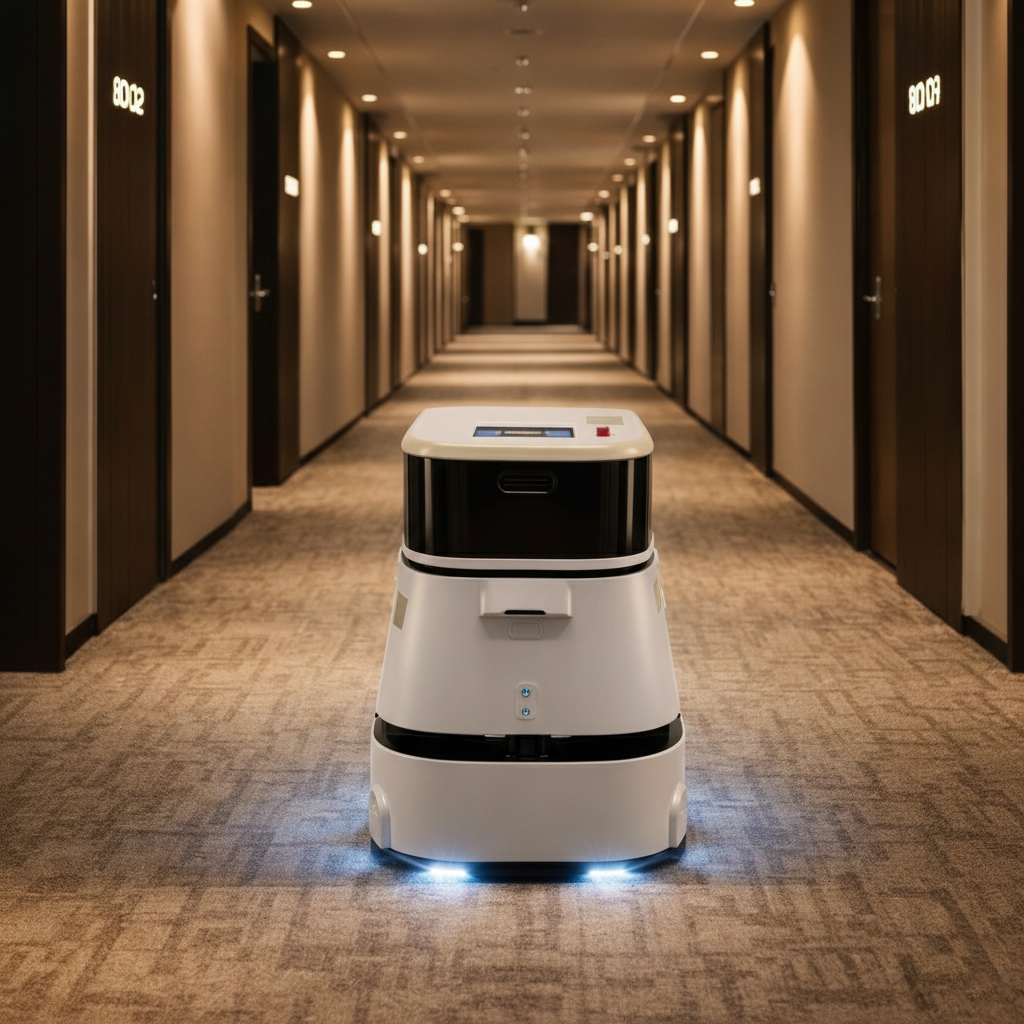
Popbot-C1 cleaning in the hallway
Scenario:
Long guest room corridors require frequent sweeping and scrubbing, especially during peak occupancy.
Robot Value:
lAutonomous navigation across long distances
lScheduled cleaning during low-traffic hours
lConsistent coverage without fatigue
Impact:
Reduced housekeeping workload, cleaner shared spaces with minimal disruption, improved operational efficiency.
2. Lobby and Public Area Maintenance
Scenario:
Lobbies are high-visibility, high-traffic zones that define first impressions.
Robot Value:
lContinuous or periodic cleaning throughout the day
lQuiet operation suitable for guest-facing environments
lSmart obstacle avoidance around guests and luggage
Impact:
Always-present cleanliness, enhanced brand image, visible commitment to hygiene and innovation.
3. Conference, Banquet, and Event Spaces
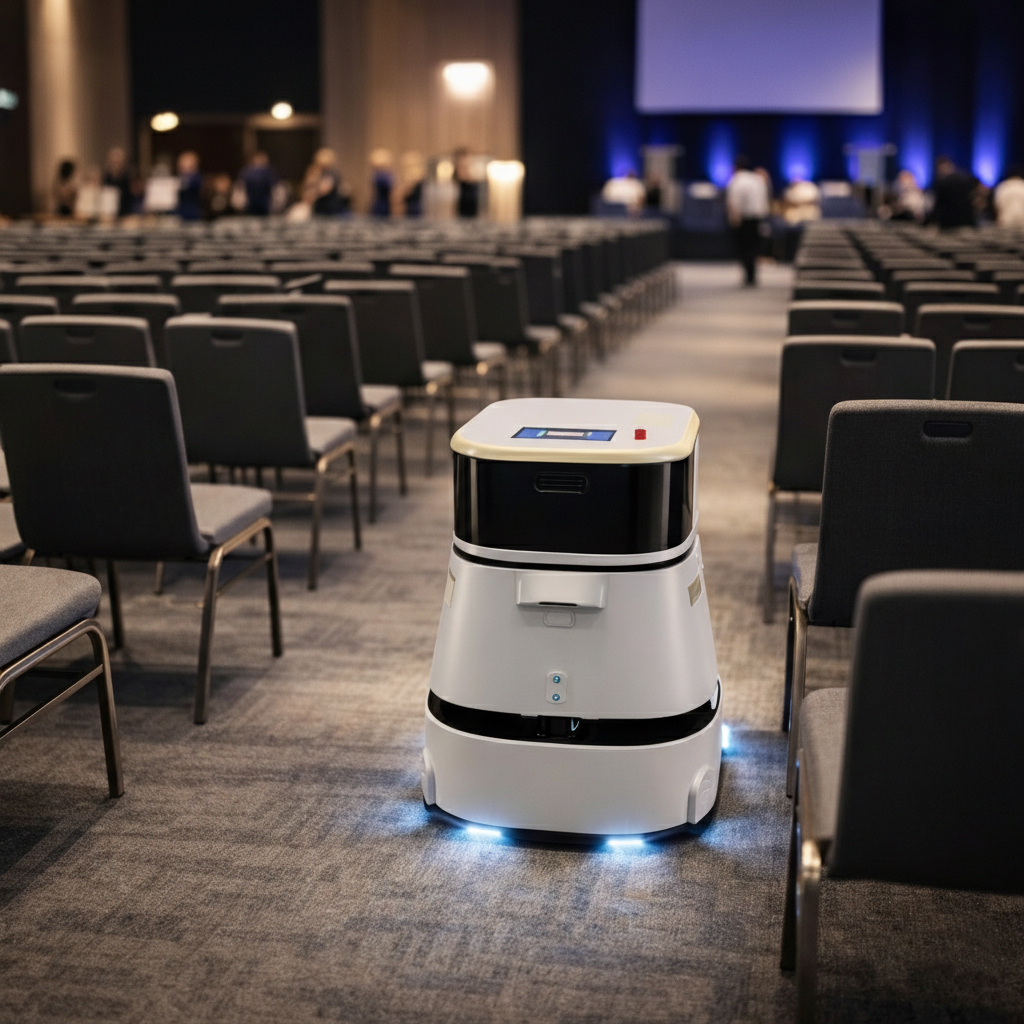
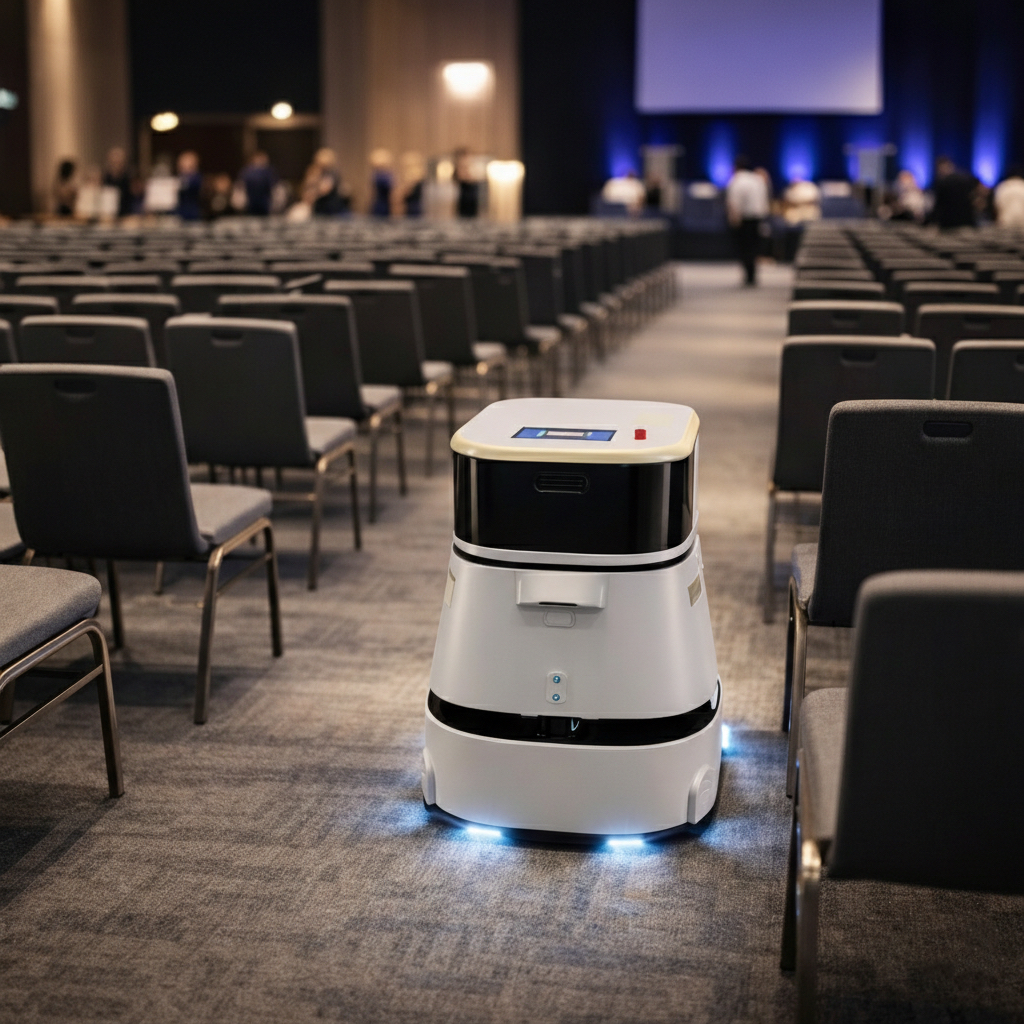 Popbot-C1 cleaning in the conference
Scenario:
Large spaces require rapid cleaning turnaround between events.
Robot Value:
lFast coverage of large floor areas
lConsistent cleaning results regardless of event frequency
lEasy redeployment between halls
Impact:
Faster room reset times, lower reliance on temporary labor, improved event operation efficiency.
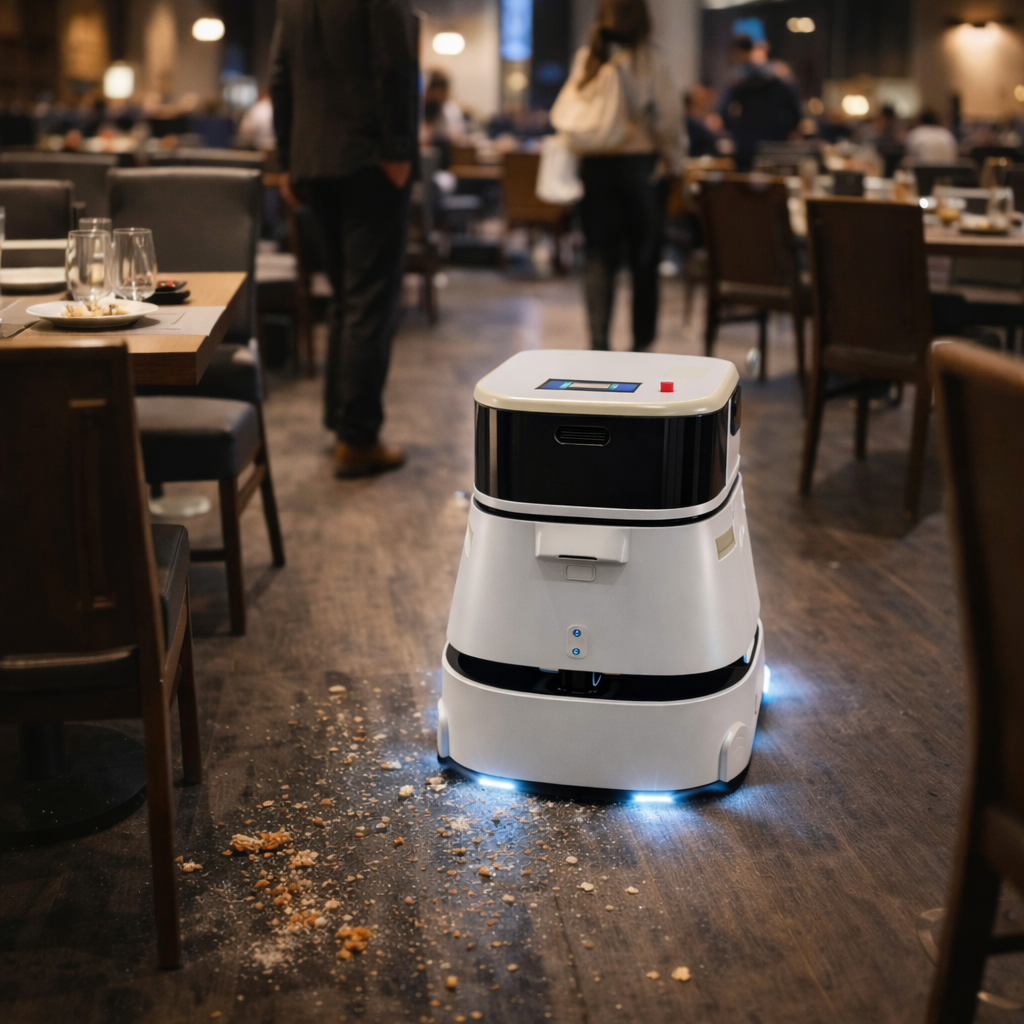
4. Restaurant and Dining Area Floor Cleaning
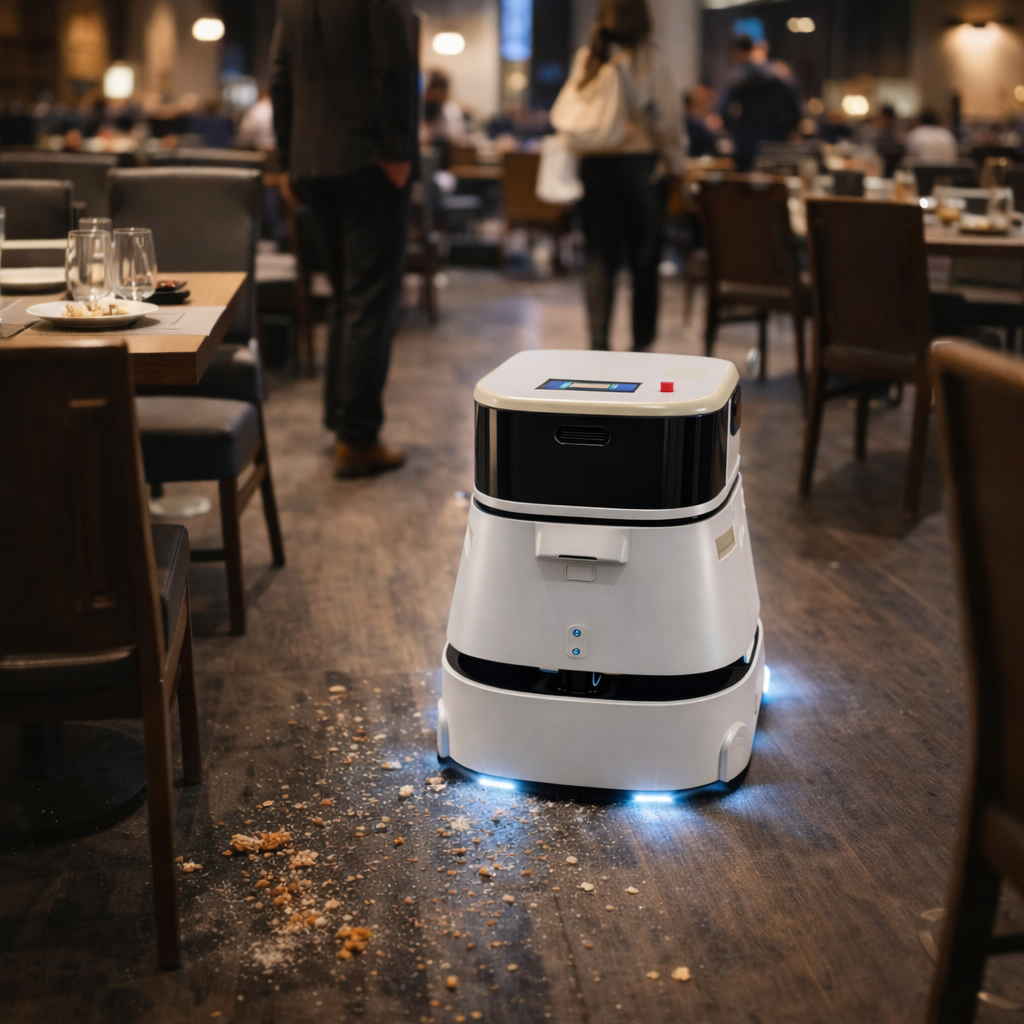
Popbot-C1 cleaning in the dining area
Scenario:
Food service areas require frequent cleaning due to spills and hygiene regulations.
Robot Value:
lScheduled cleaning after service hours
lPrecision cleaning around fixed furniture
lReduced exposure of staff to slippery conditions
Impact:
Improved safety, better compliance with hygiene standards, reduced cleaning-related accidents.
5. Back-of-House and Service Corridors
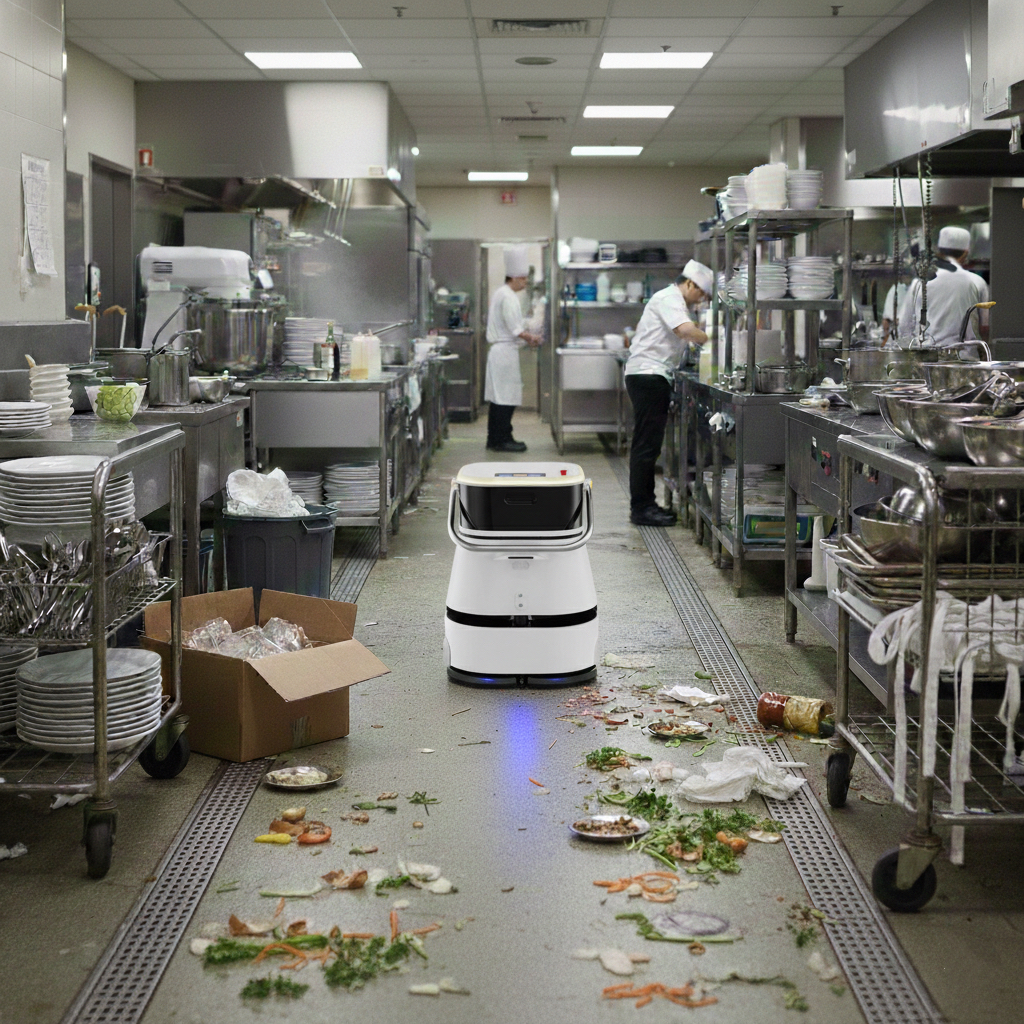
Popbot-C1 cleaning in the back kitchen
Scenario:
Staff-only areas still require consistent cleaning but are often deprioritized.
Robot Value:
lAutonomous operation without supervision
lCoverage of low-visibility but high-use areas
lIntegration with staff schedules
Impact:
Cleaner working environments, improved staff satisfaction, more balanced cleaning coverage across the property.
Why Cleaning Robots Make Operational Sense for Hotels
Operational Efficiency
lRobots handle repetitive tasks
lHuman staff focus on detail-oriented and guest-facing cleaning
Cost Optimization
lReduced overtime and turnover pressure
lPredictable operating costs
Consistent Standards
lUniform cleaning performance
lData-driven reporting and scheduling
Guest Experience Enhancement
lCleaner spaces
lVisible technology signals professionalism and care
Key Takeaway
1. Cleaning robots are not designed to replace hotel housekeeping teams—they are designed to support them at scale.
2. For hotels and resorts facing labor constraints, rising guest expectations, and complex cleaning environments, robotic cleaning solutions provide a practical, scalable, and brand-positive path forward.
3. In modern hospitality operations, cleanliness is no longer just about effort—it is about systems.
Business owners — looking to deploy AI-powered robots 🤖 in your operations? Contact us!


