
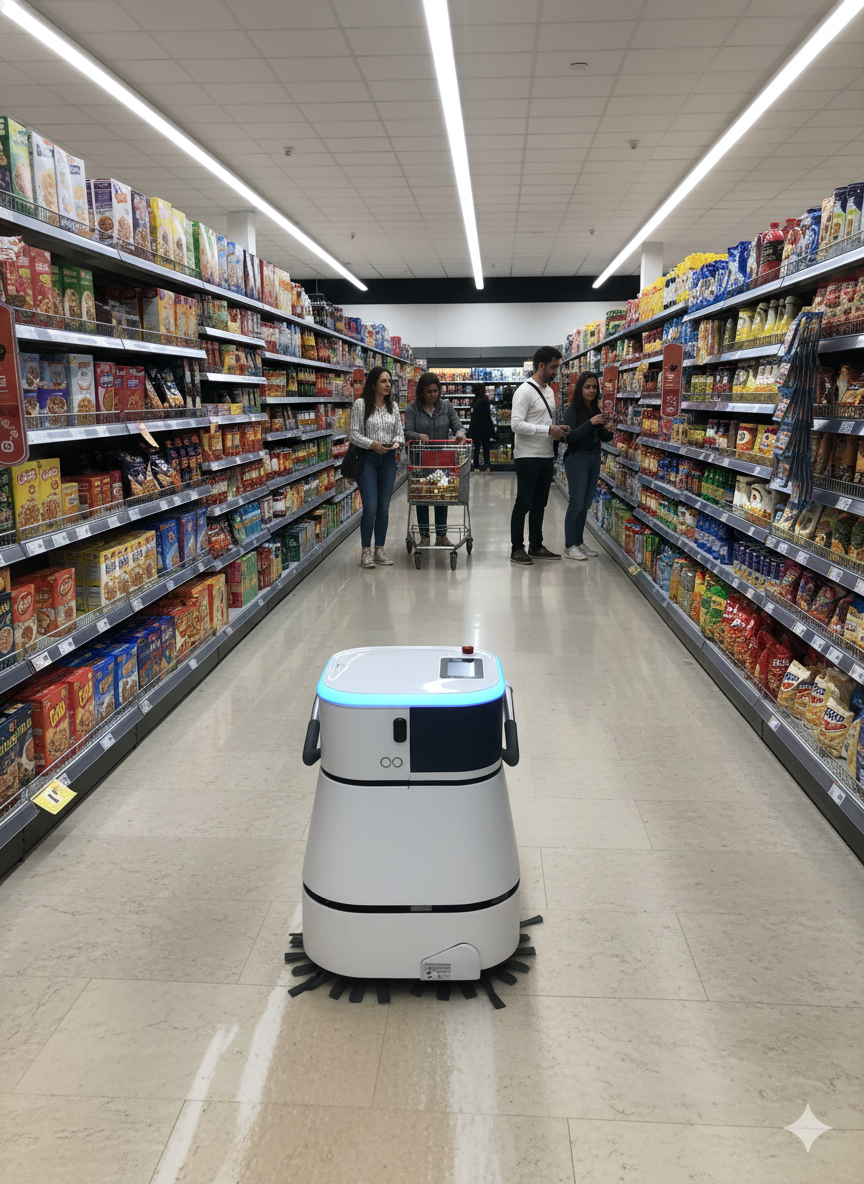
Most Companies Still Struggle with Robot Fleet Operations
Despite vendor claims of “full autonomy,” the reality inside malls, airports, and commercial buildings tells a different story.
Over 60% of facilities still rely on staff to re-map routes, reset robots, or fix navigation problems.
This means many so-called “AI-first” robots still behave like semi-manual machines—modern shells with old operational pain points.
For most enterprises, automation is installed faster than it is absorbed.
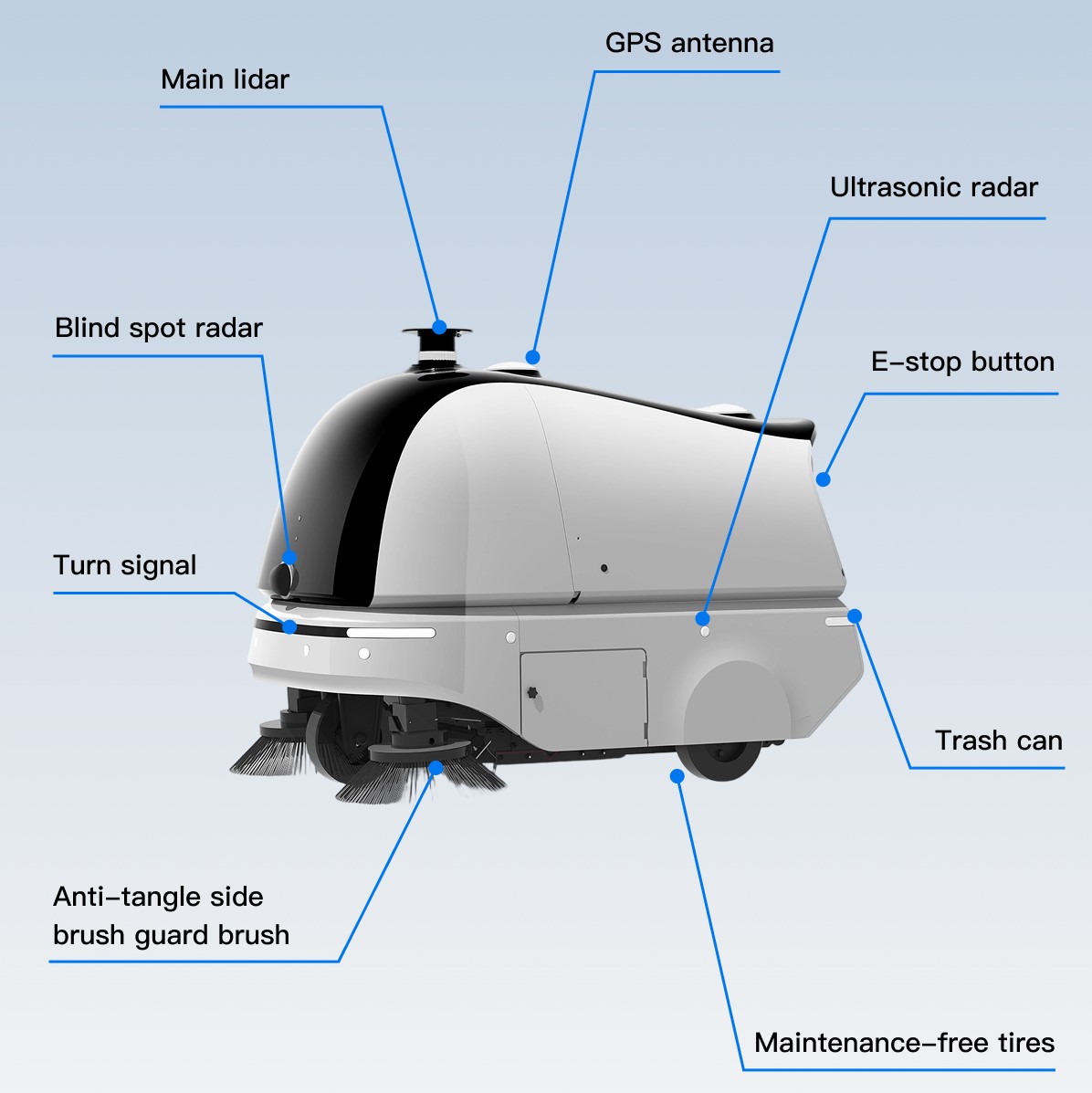
Labor Isn’t Disappearing — It’s Shifting Upward
A common myth is that cleaning robots eliminate cleaning staff.
But real deployment data shows the opposite:
-
Night-shift, low-skill manual roles decline
-
Mid-skill robot operators increase
-
Many sites see higher labor cost in the first 12–18 months
Robots don’t replace cleaners—they reshape the workforce hierarchy.
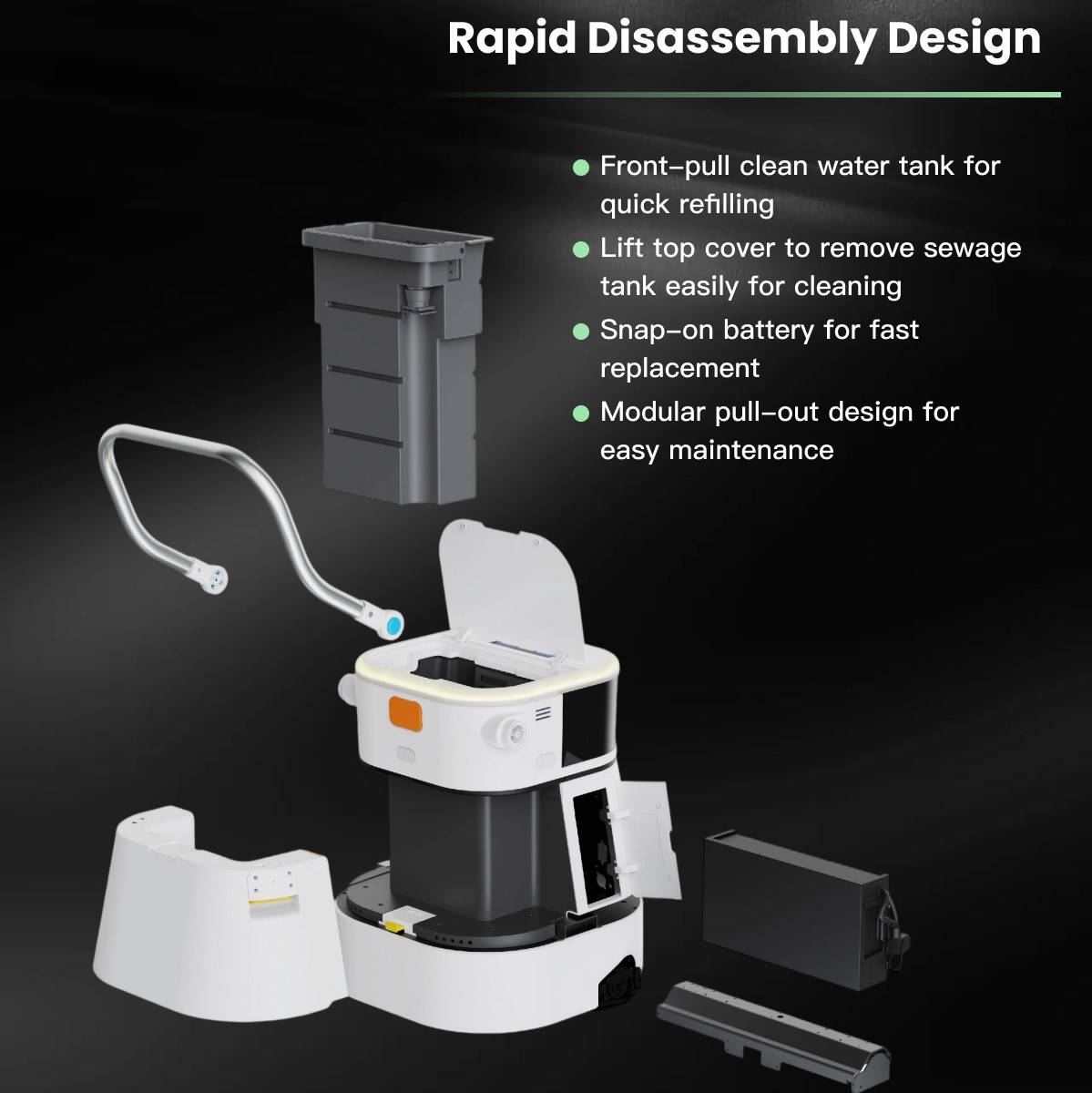
Two Controversial Predictions That Will Redefine 2025–2030
These forecasts aren’t “safe” or “neutral.”
They reflect the direction the market is actually moving—fast, and sometimes uncomfortably.
1. By 2030, 50% of shopping malls will remove manual night-shift cleaning entirely.
This shift is driven by:
-
24-hour retail operations
-
Rising expectation for consistent floor quality
-
Inability of human teams to scale after-hours
Night cleaning is becoming the first large-scale casualty of robotic automation.
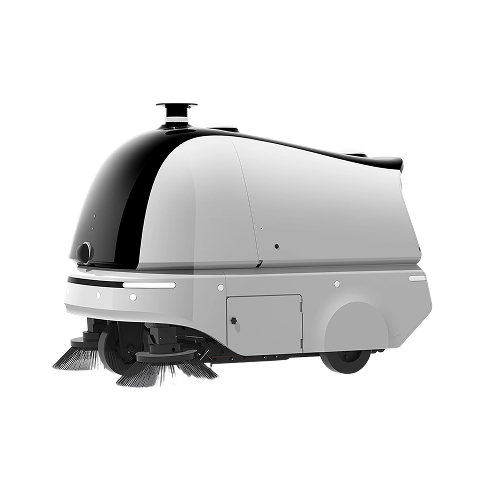
2. Within three years, Chinese brands will control 70% of the global cleaning robot market.
China already leads in:
-
Robotics supply chain
-
Hardware cost structure
-
Software iteration speed
-
Integrated fleet ecosystems
If this pace continues, Chinese brands will dominate both the hardware layer and the cloud-fleet intelligence layer.
This will reshape global pricing—and global competition.
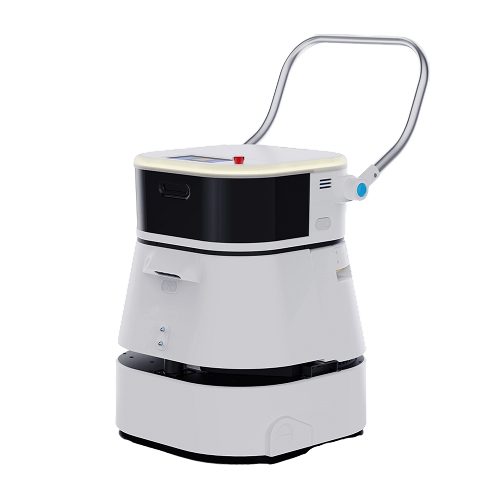
Supervisors Are More Replaceable Than Cleaners
This is the most sensitive shift happening inside facility management teams.
With cloud fleet management, AI reporting, and remote monitoring:
Supervisor-level roles—not cleaners—are becoming the most automatable part of the workflow.
Manual cleaners remain essential.
Human supervisors, however, increasingly do not.
Where the Industry Is Heading Next
From 2025–2030, expect:
-
Faster autonomy than most enterprises can adopt
-
Labor structure upgrades, not reductions
-
Operational complexity remaining the No.1 friction point
-
China accelerating toward global market dominance
-
Breakthroughs in multi-robot coordination more than hardware
Automation is coming—but not in the way most people assume.
References
-
IFR – World Robotics 2024
https://ifr.org/worldrobotics/ -
McKinsey – A Future That Works
https://www.mckinsey.com/capabilities/mckinsey-digital/our-insights/a-future-that-works-automation-employment-and-productivity -
GMI Insights – Cleaning Robot Market 2025–2034
https://www.gminsights.com/industry-analysis/cleaning-robot-market -
Frost & Sullivan – Commercial Service Robots Report
https://www.frost.com


