Introduction
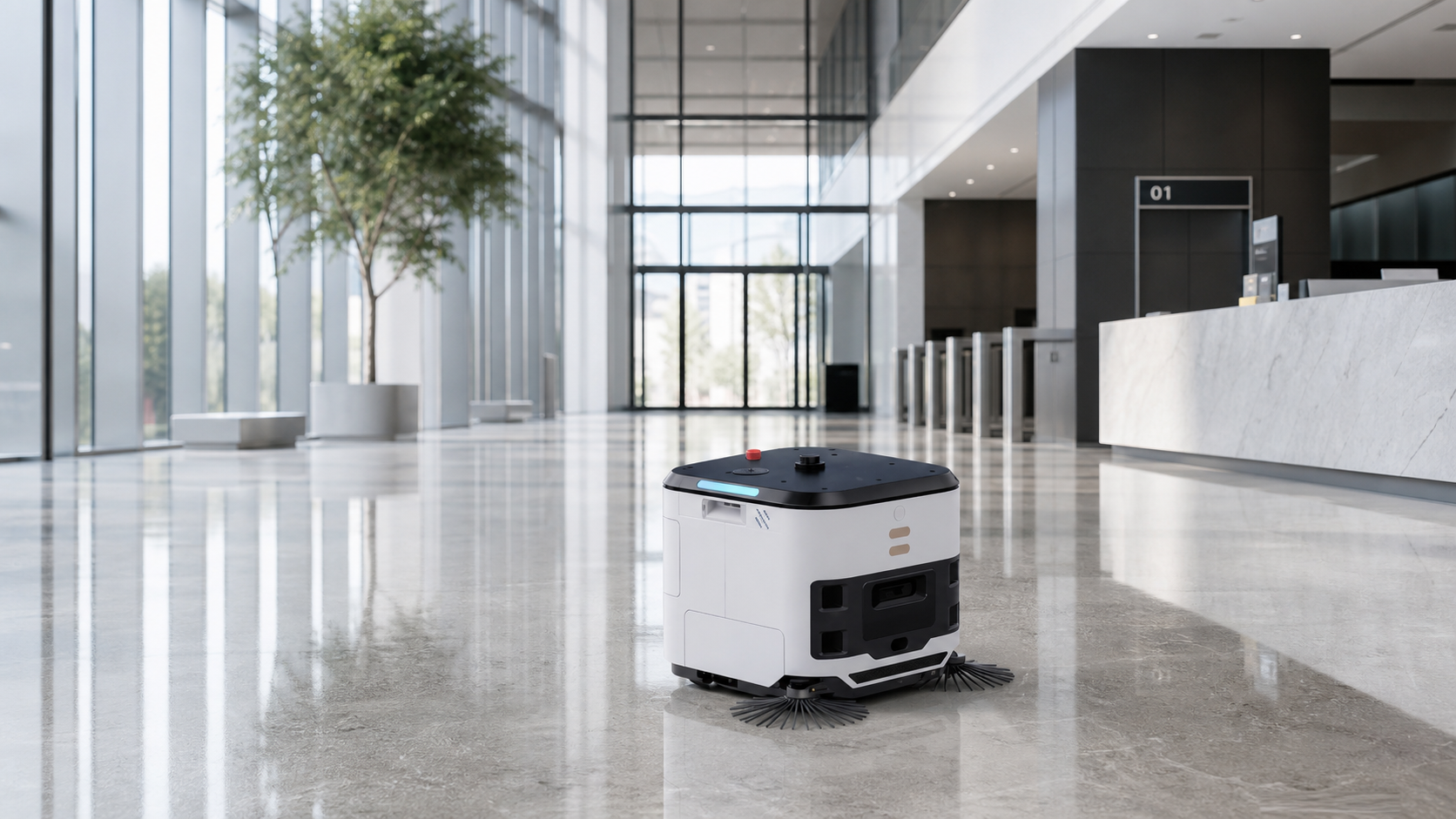
For many years, commercial cleaning automation was primarily associated with large shopping malls, airports, warehouses, and industrial facilities. These environments have expansive open spaces where high-capacity autonomous cleaning machines can operate efficiently for extended periods. However, today's commercial landscape looks very different. Small retail stores, cafés, clinics, offices, convenience stores, and boutique hotels now make up a significant portion of the businesses seeking automation, yet their cleaning requirements are fundamentally different from those of large public venues.
These businesses need to maintain clean, welcoming environments throughout the day without interrupting customers or adding pressure to already busy staff. Traditional cleaning equipment is often oversized for these spaces, while manual cleaning can only be performed during limited periods. As a result, compact autonomous cleaning robots are emerging as a practical solution that delivers continuous floor maintenance without requiring additional labor or major operational changes.
Why Large Cleaning Robots Are Not the Best Fit for Every Business
Autonomous floor cleaning has become increasingly common across commercial industries, but selecting the right robot depends largely on the environment in which it operates. Many robotic cleaning systems on the market are designed for wide corridors and open floor plans where they can maximize cleaning efficiency. While these machines perform exceptionally well in airports or supermarkets, they are often less suitable for businesses with narrow walkways, closely arranged furniture, or constantly changing customer traffic.
A neighborhood café, for example, may only have a few hundred square meters of operating space, with tables frequently being rearranged throughout the day. A medical clinic must navigate waiting areas where patients are constantly moving, while a small retail store needs to clean around display shelves without disrupting shoppers. In these situations, maneuverability and intelligent navigation become far more valuable than simply having a larger cleaning width.
This shift is changing how businesses evaluate cleaning automation. Instead of asking which robot can clean the largest area in the shortest amount of time, decision-makers are increasingly looking for solutions that can integrate naturally into their daily operations while remaining almost invisible to customers.
The Growing Demand for Compact Autonomous Cleaning Solutions
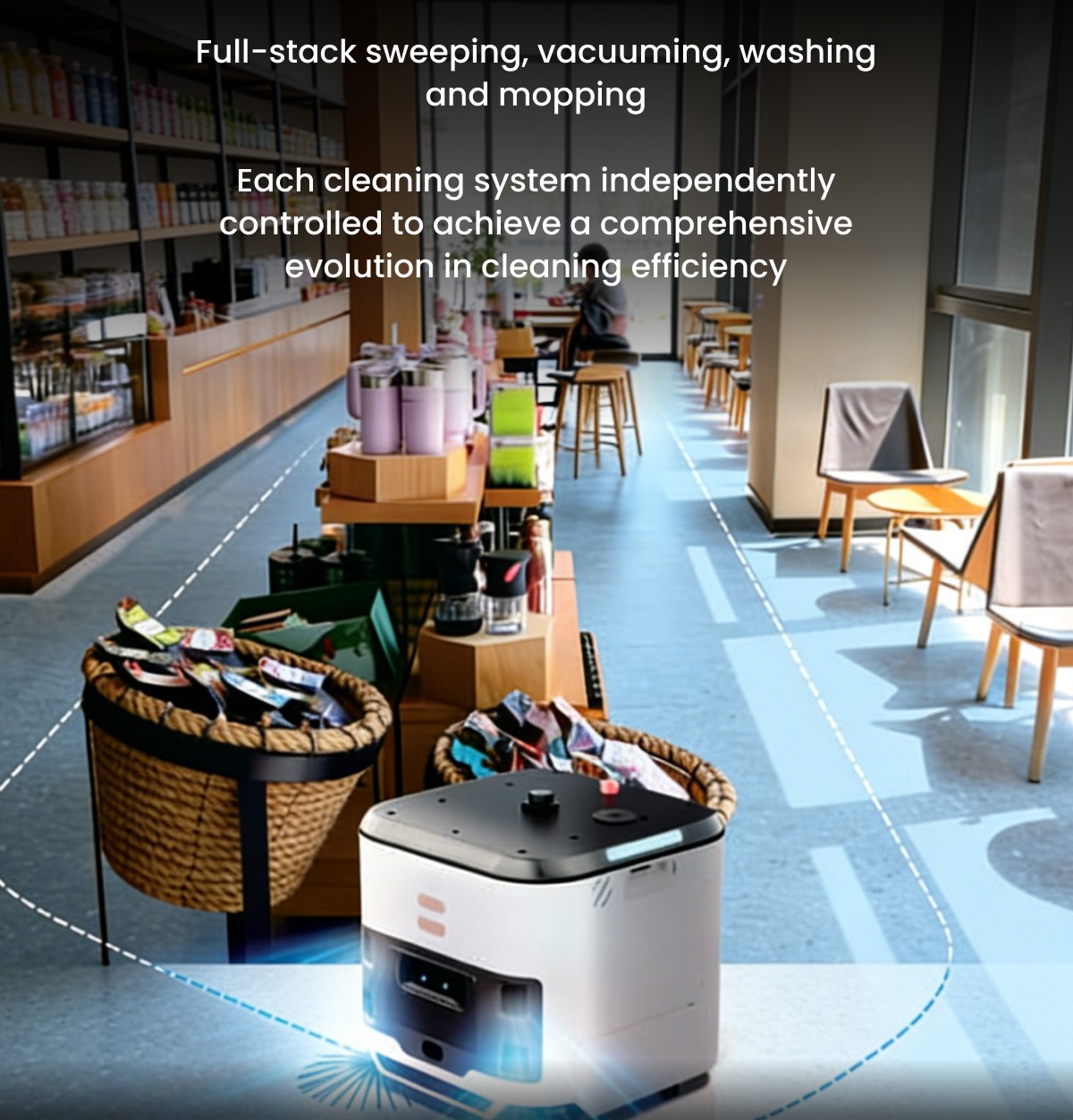
As service robotics continues to evolve, compact cleaning robots are becoming one of the fastest-growing segments of commercial automation. Their popularity reflects a broader trend toward flexible technologies that adapt to existing business environments rather than requiring businesses to redesign their facilities around new equipment.
Compact cleaning robots combine advanced navigation systems, intelligent obstacle avoidance, and autonomous scheduling in a significantly smaller footprint than traditional machines. This allows businesses to automate routine floor maintenance in locations that were previously considered unsuitable for robotic cleaning.
The increasing adoption of these systems also reflects changing customer expectations. Cleanliness has become an important part of brand perception, particularly in restaurants, healthcare facilities, retail environments, and hospitality venues. Customers notice spotless floors, but they also appreciate businesses that maintain clean environments without noisy equipment or disruptive cleaning activities taking place around them.
For operators, the goal is no longer to replace traditional cleaning altogether. Instead, autonomous robots are used to maintain floor cleanliness continuously throughout the day, allowing staff to focus on customer service and higher-value responsibilities while the robot quietly performs repetitive maintenance tasks.
How POPBOT C3 Delivers Professional Cleaning in Limited Spaces
The POPBOT C3 Mini Cleaning Robot was developed specifically for businesses where space is limited but cleaning standards remain high. Rather than scaling down a large industrial cleaning machine, Xyser Robotics designed the POPBOT C3 around the daily realities of compact commercial environments.
Its intelligent autonomous navigation system enables the robot to create efficient cleaning routes while responding dynamically to changes in its surroundings. As customers move through a store or employees walk across an office, the robot adjusts its path smoothly without interrupting normal business activities. This ability to work safely alongside people makes it practical for daytime cleaning instead of limiting operation to after business hours.
The robot's compact dimensions also allow it to reach areas that larger cleaning equipment often cannot access. Narrow aisles, reception areas, office workstations, café seating layouts, and boutique retail displays all present navigation challenges that require precision rather than size. By combining intelligent route planning with real-time obstacle detection, the POPBOT C3 helps businesses maintain consistently clean floors across these more complex environments.
Equally important is its ease of deployment. Businesses can introduce autonomous cleaning without making significant changes to their facilities or investing in extensive employee training. Once cleaning schedules and operating zones are configured, the robot performs routine floor maintenance with minimal human intervention, automatically returning to its charging station whenever necessary.
Real-World Applications Across Different Industries
The flexibility of compact cleaning robots allows them to support a wide range of commercial environments where cleanliness directly influences customer experience.
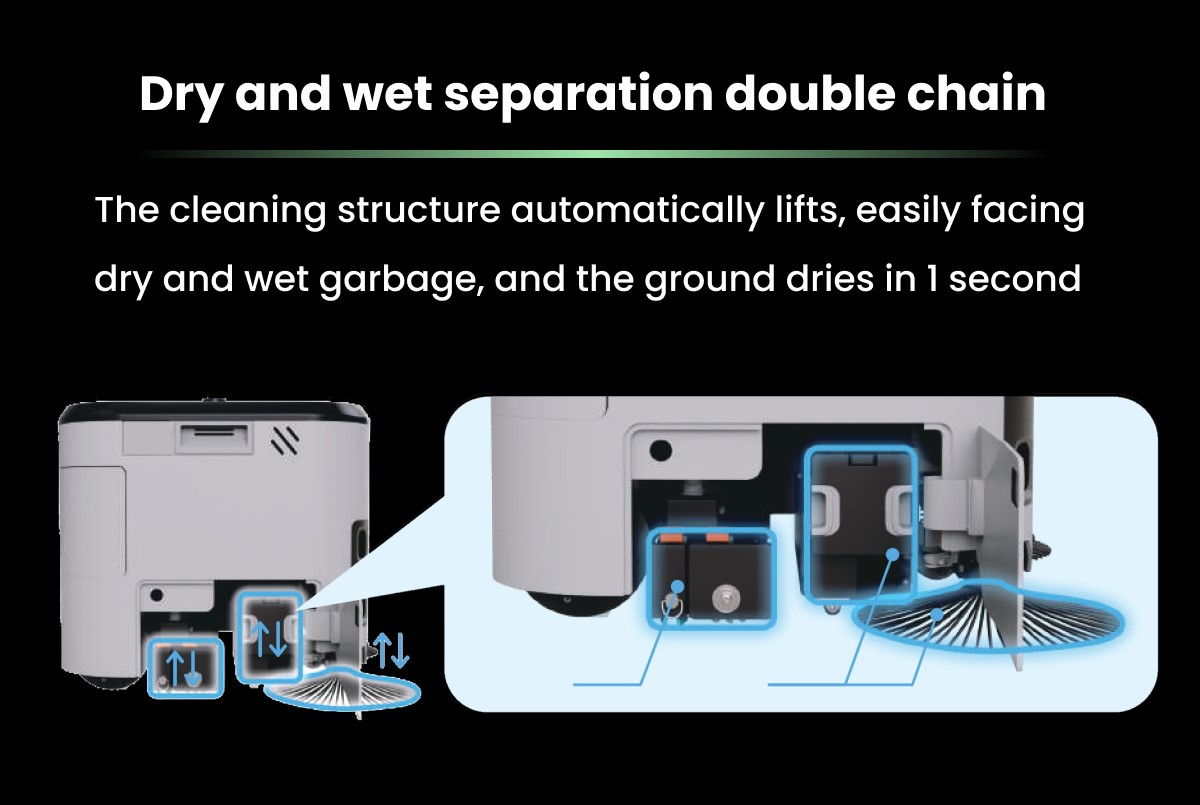
In retail stores, maintaining clean floors throughout operating hours creates a more comfortable shopping environment while reducing the need for employees to interrupt customer service in order to perform routine cleaning. Because the robot can navigate around product displays and customer traffic, cleaning becomes a continuous background process rather than a disruptive task.
Restaurants and cafés face similar challenges. Floor cleanliness quickly changes during meal service, yet manual cleaning often has to wait until quieter periods. A compact autonomous cleaning robot helps maintain hygiene standards throughout the day without creating unnecessary distractions for diners.
Healthcare facilities also benefit from continuous cleaning support. Clinics, dental practices, rehabilitation centers, and outpatient facilities all require consistently clean public areas where patients and visitors form immediate impressions of hygiene standards. Quiet operation and reliable autonomous navigation allow cleaning to continue while normal medical services remain uninterrupted.
Modern office buildings represent another growing application. As companies encourage employees back into collaborative workplaces, maintaining clean shared spaces has become part of creating a productive work environment. Autonomous cleaning robots help facility managers keep reception areas, meeting rooms, and open office spaces clean without disrupting daily business activities.
Choosing the Right Compact Cleaning Robot for Your Business
As the market for autonomous cleaning equipment continues to expand, businesses should evaluate more than just cleaning performance when selecting a robotic solution. Navigation accuracy, obstacle avoidance capability, operational reliability, ease of maintenance, and long-term technical support all contribute to the overall value of the investment.
Businesses should also consider how naturally a robot integrates into their existing workflow. A compact robot that operates quietly during business hours may provide greater operational value than a larger machine designed primarily for overnight cleaning. The ability to work safely alongside employees and customers is becoming an increasingly important factor as autonomous robots move beyond industrial facilities into everyday commercial environments.
Selecting the right solution ultimately depends on understanding both the physical characteristics of the facility and the operational objectives of the business. For many small and medium-sized commercial spaces, flexibility and adaptability are proving to be just as important as cleaning efficiency itself.
Conclusion
Commercial cleaning automation is no longer limited to large public venues or industrial facilities. As businesses continue searching for smarter ways to maintain clean, welcoming environments, compact autonomous cleaning robots are becoming an increasingly practical choice for everyday operations.
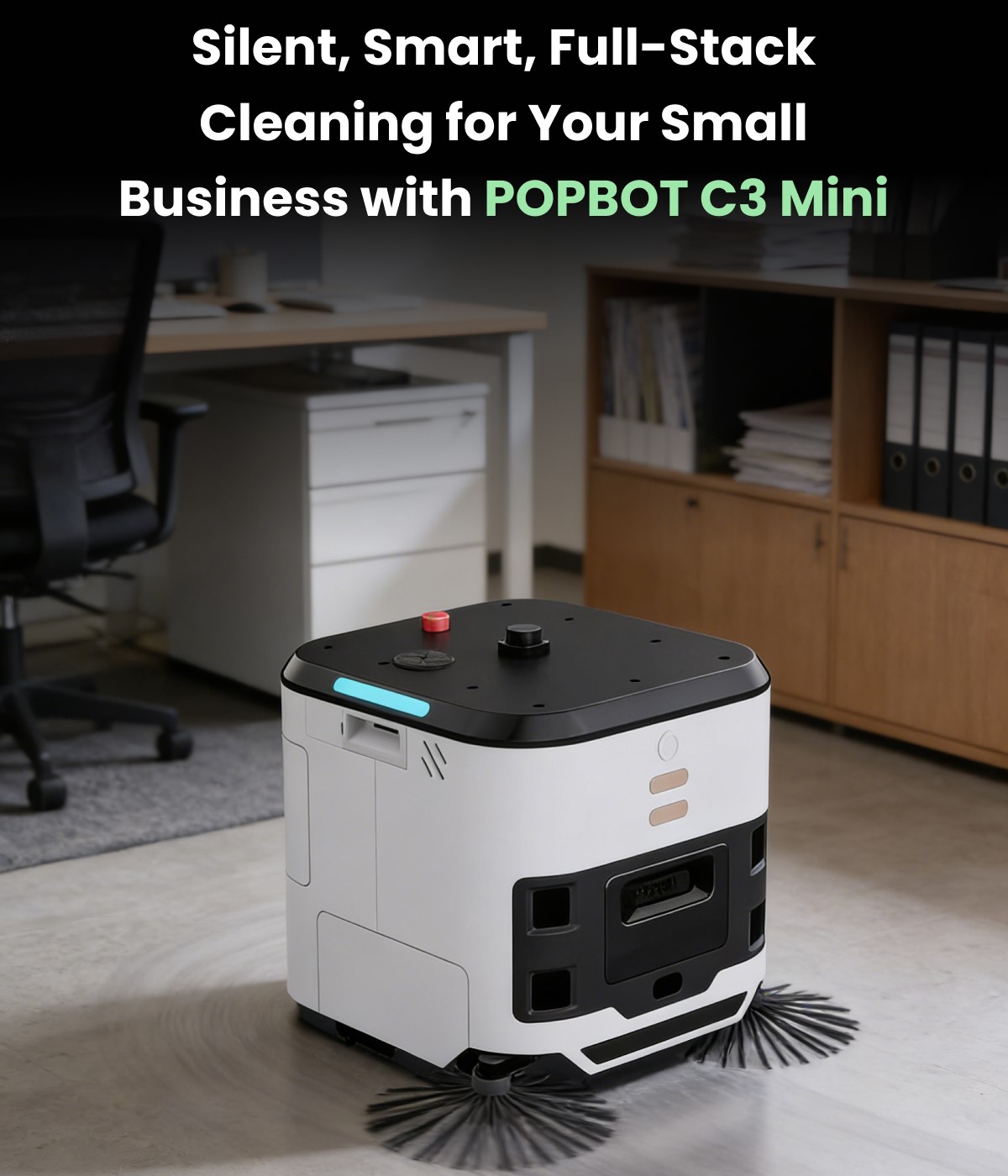
Designed specifically for smaller commercial spaces, the POPBOT C3 Mini Cleaning Robot combines intelligent navigation, autonomous operation, and a compact footprint that enables efficient cleaning in offices, cafés, retail stores, clinics, and hotels. It offers businesses a practical way to maintain consistent cleanliness while improving operational efficiency.
Learn more about the POPBOT C3 Mini Cleaning Robot by visiting the product page and exploring its features, specifications, and application scenarios.
If you're planning to automate cleaning across larger facilities such as shopping malls, airports, logistics centers, or manufacturing plants, explore Xyser Robotics' complete range of commercial cleaning robots to find the solution that best fits your operational requirements.