Can Robots Really Reduce Peak-Hour Pressure in Restaurants?
Introduction: The Real Challenge Behind Peak Hours
Restaurant peak hours are often perceived as a test of kitchen efficiency, but in reality, the core challenge lies in service flow rather than food preparation. As order volumes increase, coordination between the kitchen and the dining area becomes more complex, and even well-prepared teams can struggle to maintain consistency.
Delays, miscommunication, and service bottlenecks tend to emerge not because food cannot be prepared quickly enough, but because it cannot be delivered efficiently. This is where operational structure begins to break down, and where many restaurants experience the greatest pressure.
In this context, a food delivery robot is not simply a technological upgrade, but a practical solution designed to stabilize service during the most demanding periods of the day.
Peak Hours: When Operations Become Unstable
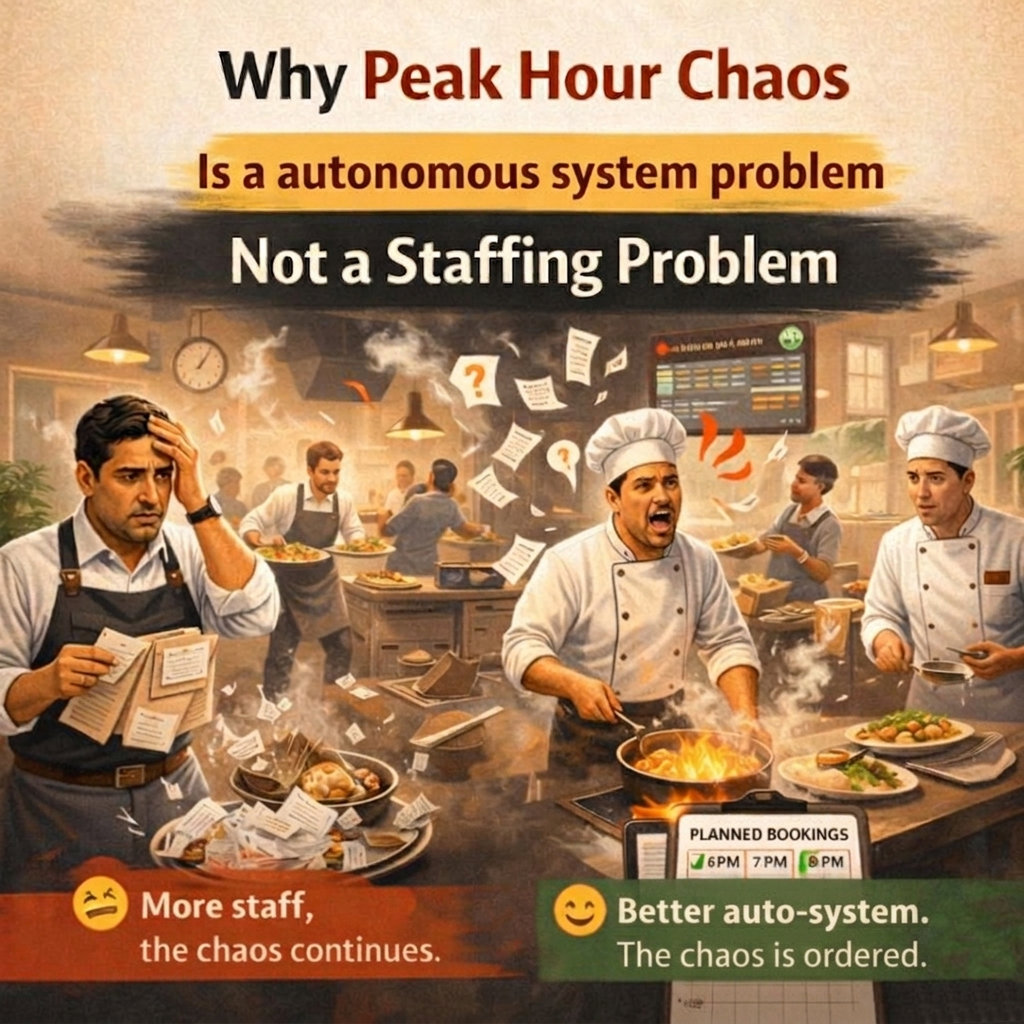
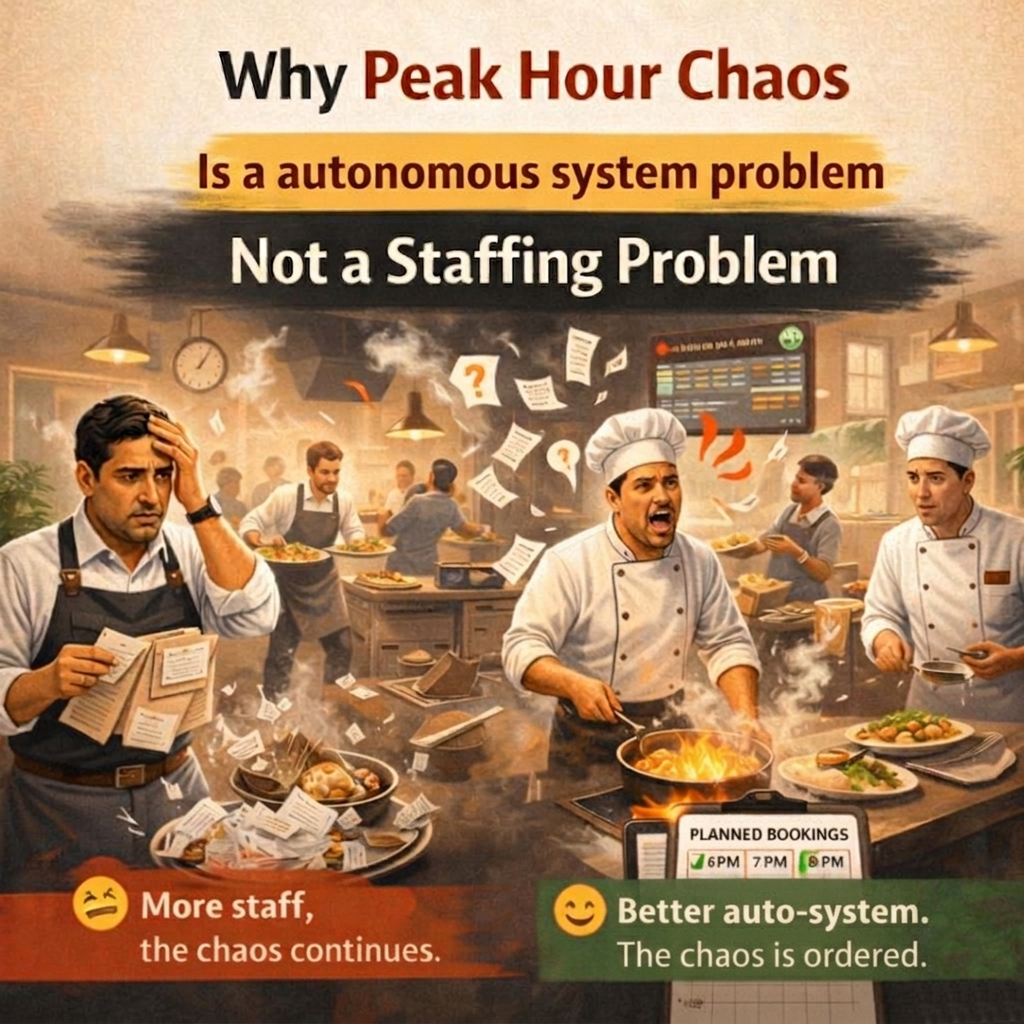
During peak hour service, restaurants often enter a state where small inefficiencies accumulate into larger operational issues. Staff are required to move continuously between the kitchen and dining area, increasing physical strain and reducing overall efficiency. At the same time, completed dishes may remain waiting at the pass, not due to kitchen delays, but due to limited availability of service staff.
As pressure builds, the likelihood of errors increases. Orders may be delivered to the wrong table, items may be missed, and service speed becomes inconsistent. These challenges directly affect customer satisfaction and limit the restaurant’s ability to maximize table turnover.
This instability is not uncommon. It is a structural issue that arises when traditional service models are pushed beyond their optimal capacity.
Why Traditional Solutions Fall Short
Many restaurants attempt to address peak hour challenges by increasing staffing levels or accelerating kitchen output. While these approaches can provide temporary relief, they do not address the underlying issue, which is the inefficiency of the service workflow itself.
Labor costs continue to rise, and adding more staff often leads to congestion rather than improved coordination. Similarly, increasing kitchen speed does not resolve delays if the delivery process remains a bottleneck. Without optimizing how food moves from the kitchen to the customer, peak hour pressure persists.
This is why more operators are turning to restaurant automation as a structural solution rather than a temporary fix.
How Food Delivery Robots Improve Peak Hour Service
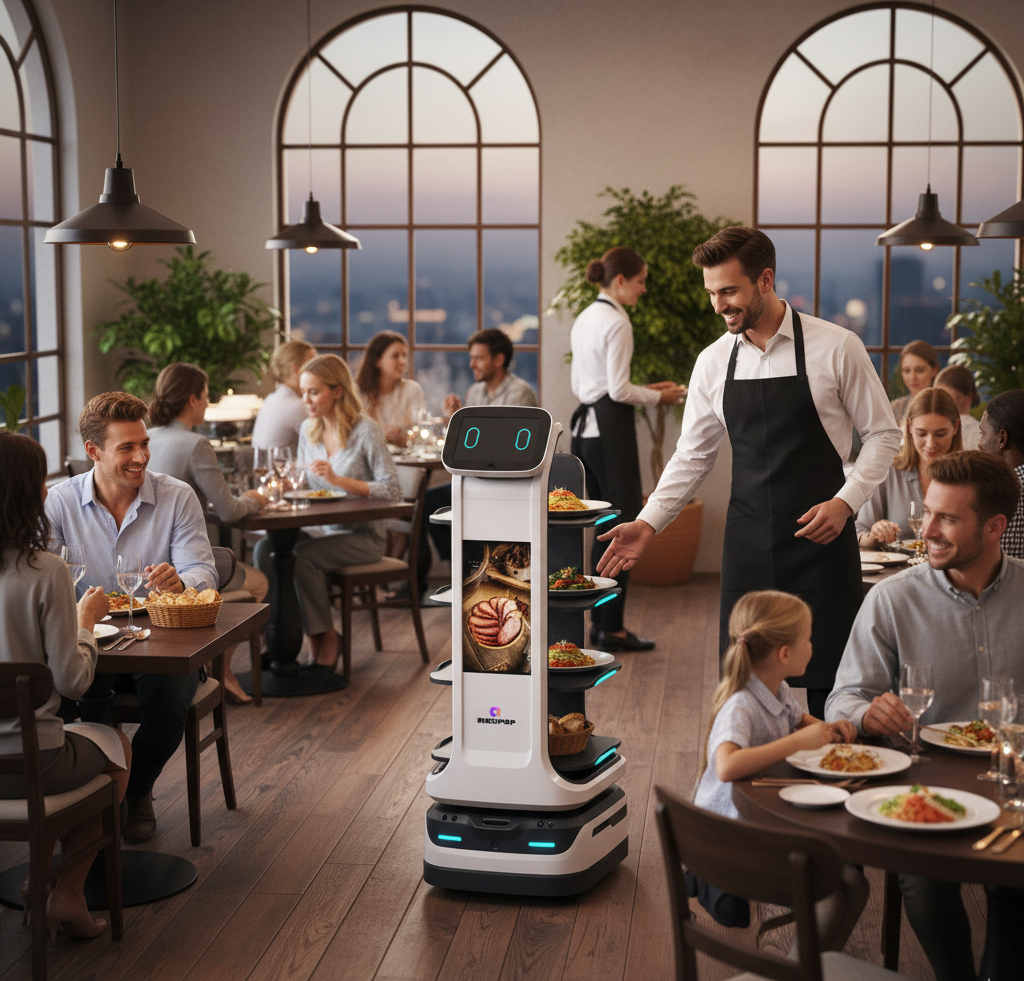
A food delivery robot introduces consistency and predictability into the service process. Unlike human staff, it operates at a stable pace regardless of workload, ensuring that food is delivered without unnecessary delay. This consistency helps prevent the accumulation of pending orders and maintains a steady service rhythm.
By handling the physical transport of dishes, the robot eliminates one of the most time-consuming aspects of restaurant operations. This reduces congestion around the kitchen and minimizes the waiting time between food preparation and delivery. As a result, the overall service flow becomes more streamlined.
In addition, robots follow predefined routes and table mapping systems, which reduces the likelihood of delivery errors. This level of precision is particularly valuable during peak hours, when human error is more likely to occur under pressure.
Through these improvements, peak hour service becomes more controlled, efficient, and scalable.
Contact us to learn how to deploy Popbot-D3 in your assets
Let’s Be Clear: Robots Don’t Replace Staff — They Protect Them
This is not about replacing people. It is about removing the most physically demanding and repetitive parts of their work.
In a restaurant setting, human staff remain essential for customer-facing responsibilities such as greeting guests, taking orders, and delivering a personalized dining experience. These interactions define the quality of service and cannot be replicated by machines.
At the same time, a large portion of staff effort—particularly during peak hours—is spent on repetitive movement between the kitchen and dining area. This type of work is physically exhausting and limits the time available for higher-value activities.
A food delivery robot addresses this imbalance by taking over routine transport tasks, allowing staff to focus on customer engagement, service quality, and revenue-generating interactions. This shift enhances both efficiency and job satisfaction while maintaining the human element of hospitality.
The result is not replacement, but optimization. Restaurants that successfully integrate human service with robotic support are better positioned to manage peak demand.
Operational Impact: What Changes After Deployment
The introduction of a food delivery robot leads to measurable improvements in how restaurants operate during peak hours. Service flow becomes more stable, and the gap between food preparation and delivery is significantly reduced. Staff are able to manage workloads more effectively, resulting in less stress and more consistent performance.
Customers benefit from shorter waiting times and a more predictable dining experience, while operators gain greater control over service quality during high-demand periods. Over time, these improvements contribute to increased efficiency and stronger overall performance.
Rather than reacting to peak hour pressure, restaurants are able to manage it proactively.
When Should Restaurants Consider Restaurant Automation
The need for restaurant automation becomes evident when peak hour service begins to show signs of strain. Increasing wait times, rising labor costs, and frequent operational disruptions are clear indicators that existing processes are no longer sufficient.
Restaurants experiencing these challenges can benefit from introducing structured automation solutions that address workflow inefficiencies directly. A food delivery robot is particularly effective in environments where repetitive transport tasks consume a significant portion of staff time.
By identifying and addressing these inefficiencies, operators can create a more resilient and scalable service model.
The Future of Peak Hour Service
As the restaurant industry continues to evolve, peak hour operations are becoming a key area of innovation. The adoption of food delivery robots and other forms of restaurant automation is transforming how restaurants approach high-demand periods.
Rather than being the most vulnerable part of daily operations, peak hours are increasingly becoming predictable and manageable. This shift allows restaurants to maintain service quality while scaling their capacity to meet demand.
Operators who adopt these technologies early are likely to gain a competitive advantage in efficiency, customer satisfaction, and long-term profitability.
Conclusion: From Reactive to Controlled Operations
Peak hours do not have to be synonymous with stress and instability. With the right operational structure in place, restaurants can transition from reactive problem-solving to controlled execution.
A food delivery robot provides the consistency and support needed to stabilize service during the most demanding periods. By integrating automation into daily operations, restaurants can improve efficiency, reduce pressure on staff, and deliver a more reliable customer experience.
In 2026, restaurant automation is no longer an optional upgrade. It is a strategic approach to building a more efficient and resilient business.
Optimize Your Peak Hour Service with a Smarter Solution
If your restaurant is struggling to maintain efficiency during peak hours, it may be time to rethink your service workflow. A well-deployed food delivery robot can help reduce operational pressure, improve consistency, and unlock additional revenue potential.
Contact us today to explore how restaurant automation can be tailored to your layout and business model. Our team can provide a customized solution based on your actual operating conditions.
FAQ
Do food delivery robots improve peak hour service efficiency?
Food delivery robots improve efficiency by reducing delivery delays, stabilizing workflows, and allowing staff to focus on customer-facing tasks.
How much workload can a food delivery robot reduce?
The reduction depends on the restaurant layout and operation model, but robots typically take over a significant portion of repetitive transport tasks.
Is restaurant automation suitable for mid-size restaurants?
Yes, especially for restaurants experiencing peak hour pressure or rising labor costs. Automation can help improve efficiency and operational consistency.
Can food delivery robots operate in busy environments?
Modern robots are designed to navigate dynamic environments and can function effectively in high-traffic restaurant settings.