
A Practical Guide to Cleaning Robot ROI
In hospitality, every capital decision is judged by one metric: how fast it pays back.
Whether you manage a luxury resort, a business hotel, or a mixed-use property, margins are increasingly pressured by labor shortages, rising wages, and higher service expectations. This is why more operators are evaluating cleaning robot ROI before approving automation budgets.
This article breaks down how to calculate payback period realistically — using hospitality-specific operating data rather than generic automation assumptions.
1. Why Payback Period Matters More Than Purchase Price
A cleaning robot is not a gadget — it is a labor-replacement asset.
In hospitality operations, floor cleaning is: high frequency, labor intensive, repetitive, non-revenue generating.
When evaluating ROI, the correct benchmark is not “How much does the robot cost?”
It is: How much labor cost and operational risk does it eliminate per year?
2. The Core ROI Formula
The simplified payback calculation:
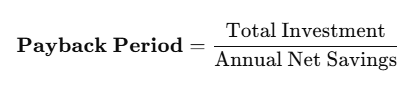
Where total Investment Includes:
lRobot purchase cost
lDeployment / onboarding
lOptional maintenance plan
Annual Net Savings Includes:
lDirect labor cost reduction
lReduced overtime
lLower turnover cost
lProductivity gains
lEnergy & consumable optimization
3. Where Cleaning Robots Deliver the Fastest ROI
Hotel Corridors & Guest Floors
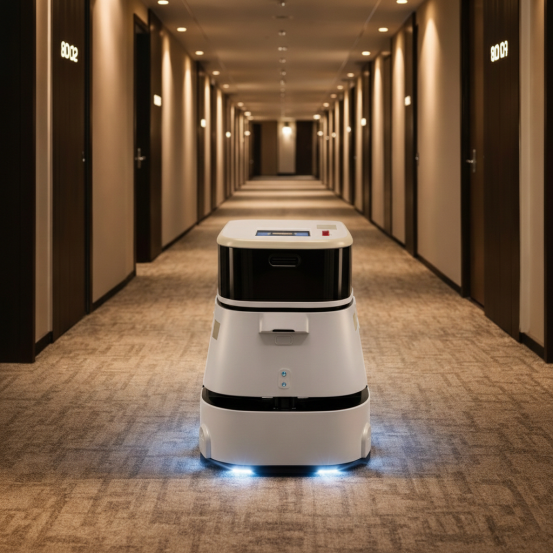
Popbot-C1 cleaning in the hallway
Typical characteristics: 1–3 cleaning cycles daily, long, standardized routes, low variability
Result:
Robots can operate during low-traffic hours, reducing overnight staffing needs.
Conference & Public Areas
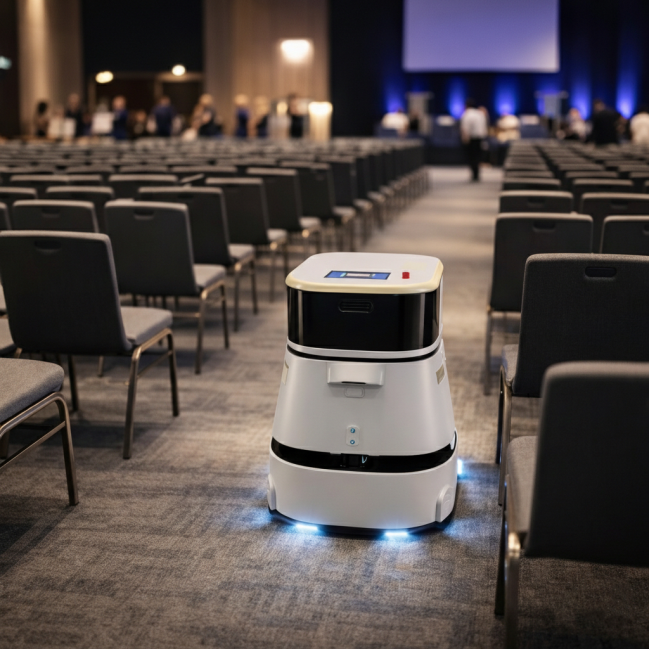
Popbot-C1 cleaning in the conference
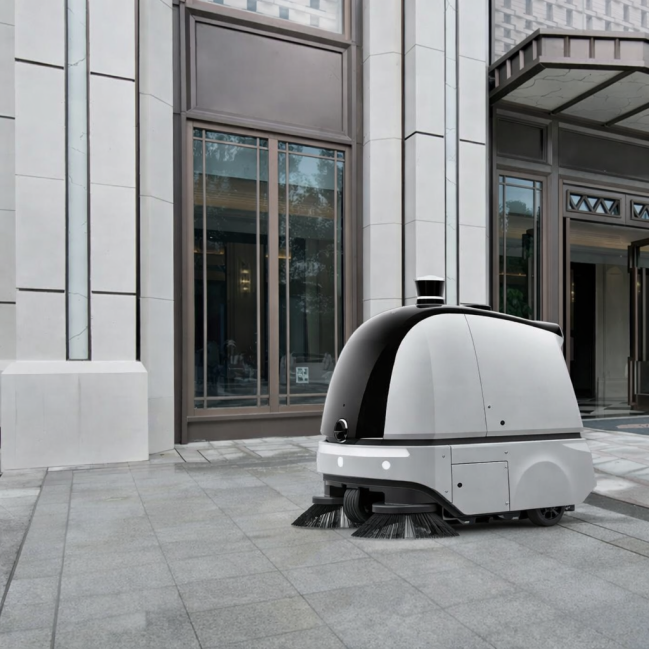
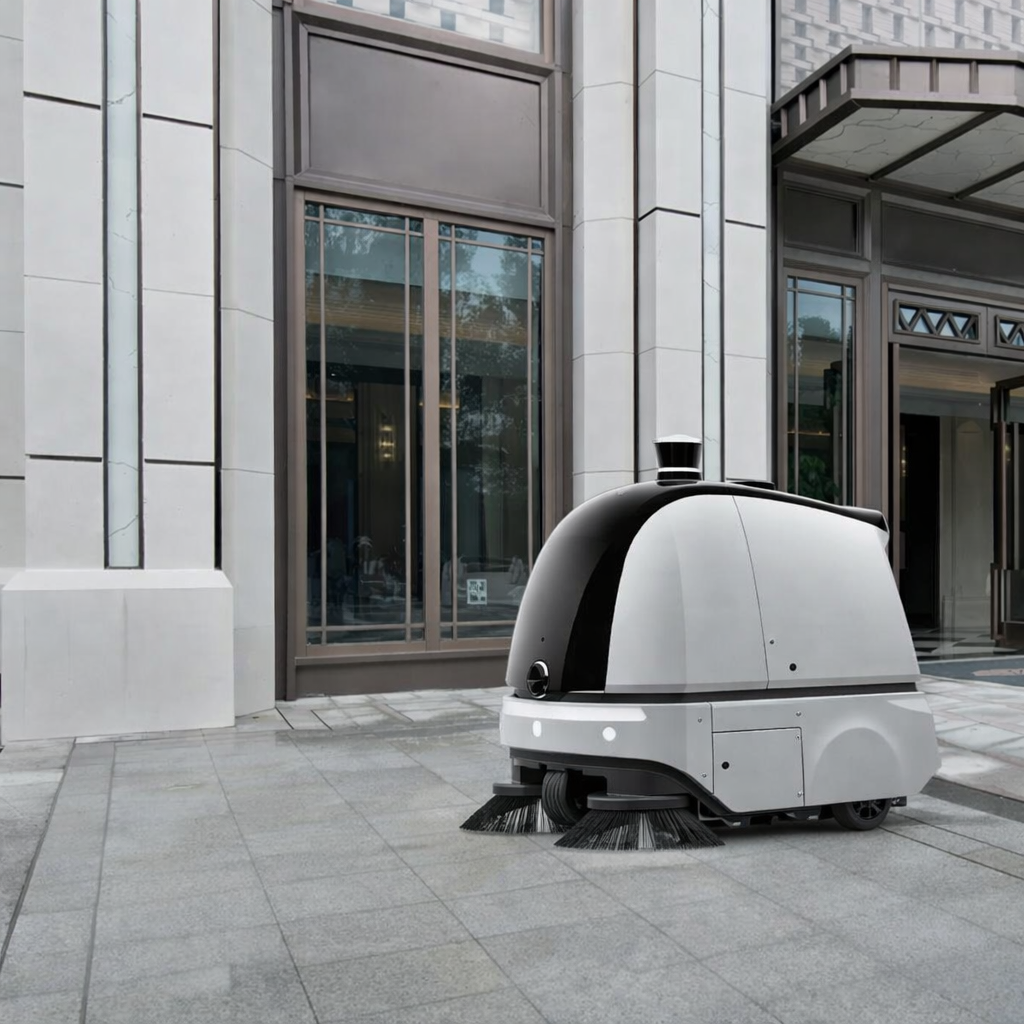
Popbot-C2 cleaning in the forecourt
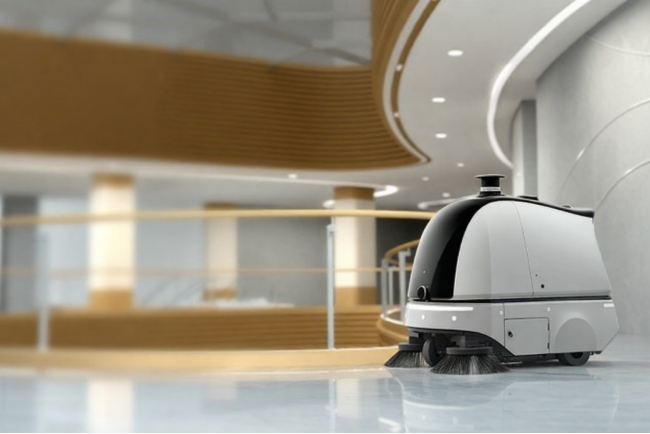
Popbot-C2 in the central atrium
Typical characteristics: large open areas, post-event intensive cleaning, high schedule pressure
Result:
Robots shorten turnaround time between events, protecting booking revenue.
Restaurant & Dining Areas
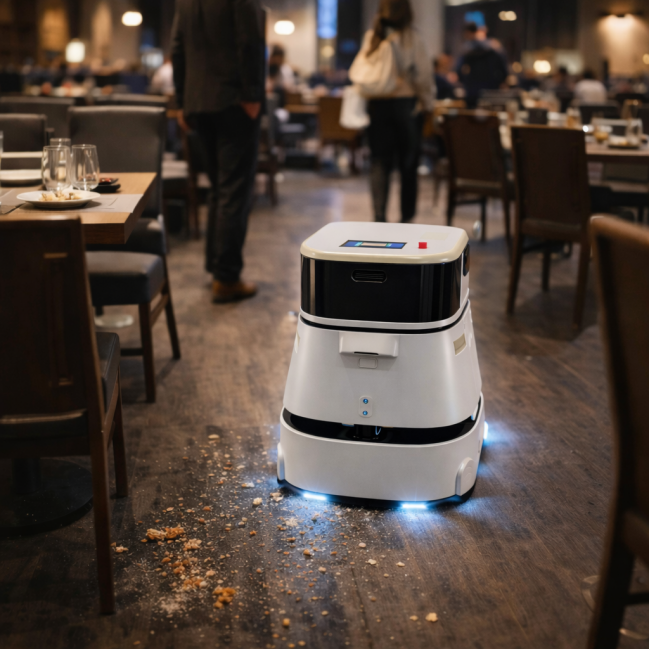
Popbot-C1 cleaning in the dining area
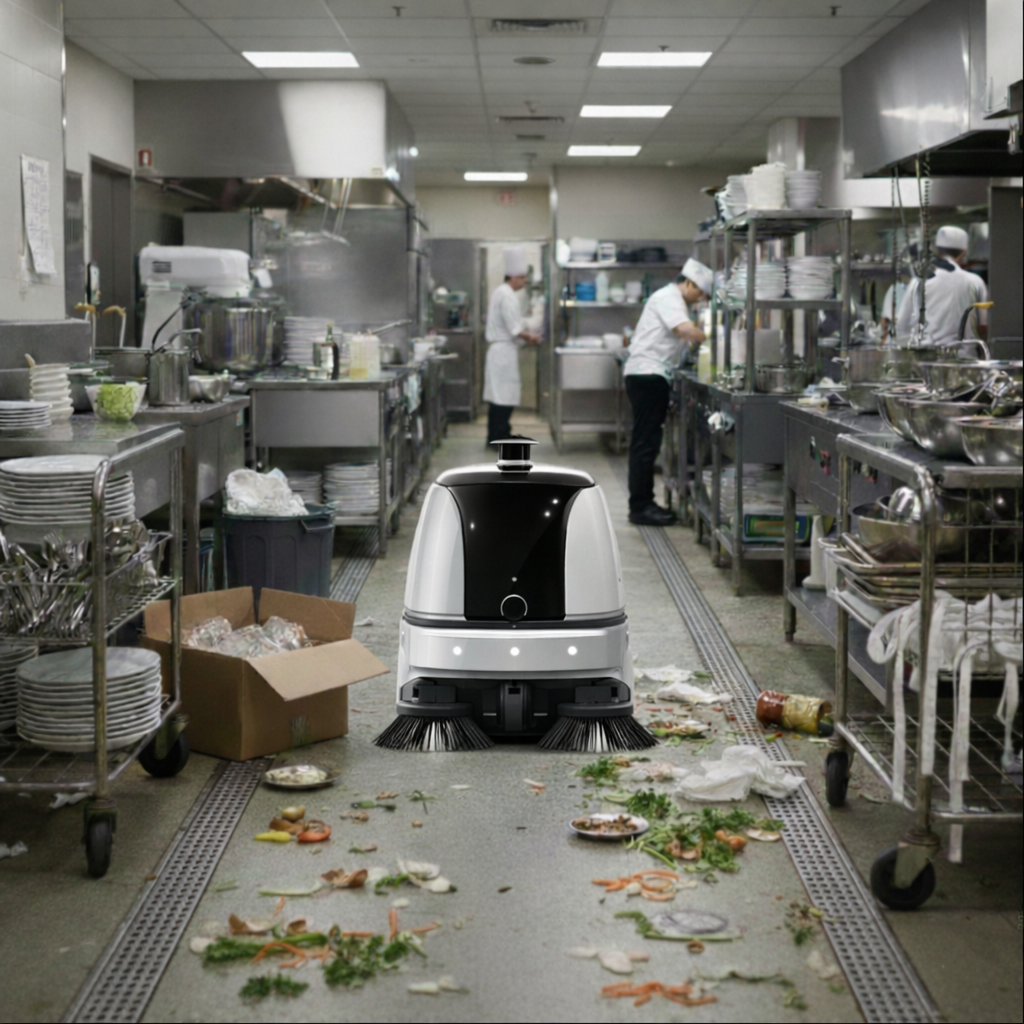
Popbot-C2 cleaning in the back kitchen
Typical characteristics: high debris load, daily cleaning, hygiene critical
Result:
Consistent sanitation standards with reduced dependence on peak-hour labor.
4. Sample Hospitality Payback Calculation
Let’s model a mid-sized 200-room hotel.
Current Manual Cleaning Cost
1.2 FTE cleaning staff dedicated to public areas
2. Average loaded labor cost: $2,800/month per employee
3. Annual labor cost: 2*2800*12=$67200
After Robot Deployment
1.1 FTE reallocated to higher-value tasks
2. Remaininglabor cost: $33,600/year
3. Annuallabor savings: $33,600
Robot Investment
1. Robot purchase: $28,000
2. Annual maintenance: $2,000
Net Year 1 Savings
33600-2000=$31600
Payback Period
28000/31600≈0.89 year
Result: ~10–11 months payback
After Year 1, the robot effectively becomes a margin-improving asset.
5. Hidden ROI Drivers Most Hotels Underestimate
Staff Stability
Hospitality cleaning roles often experience high turnover.
Robots reduce dependency on unstable labor pools.
Consistency of Standards
Manual cleaning quality fluctuates.
Robots deliver programmable, repeatable performance.
Brand Perception
In premium hotels, visible automation signals:
lModern operations
lTechnological sophistication
lHygiene commitment
lThis indirectly supports ADR (Average Daily Rate).
Night Operations
Robots can run during low-traffic hours, increasing asset utilization.
6. What Impacts Cleaning Robot ROI the Most?
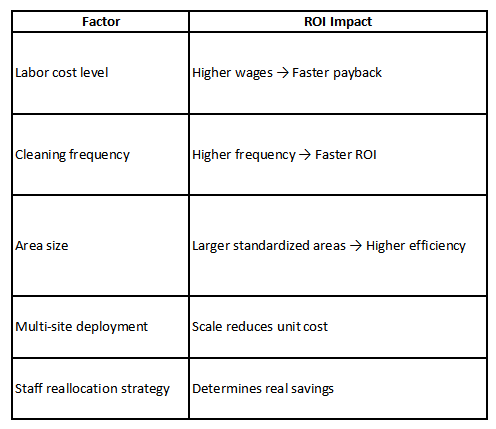
In North America, Europe, and developed Asian markets, most hotels see: 8–14 month payback window
In high-wage regions, it can drop below 8 months.
7. When ROI Slows Down
Cleaning robot ROI may extend beyond 18 months if:
lLabor cost is extremely low
lDeployment area is small
lCleaning frequency is irregular
lRobot is underutilized
lUtilization rate is the dominant variable.
8. Strategic Perspective: Beyond Payback
Hospitality is transitioning from labor-intensive to automation-augmented operations.
Cleaning robots should be evaluated as:
lCost-control infrastructure
lOperational resilience tools
lBrand positioning assets
lPayback period answers “When do we recover capital?”
But the deeper question is:
How do we protect service quality while labor markets become less predictable?
9. Final Takeaway
For most mid-to-large hotels:
1. Cleaning robot ROI is typically under 12 months
2. The biggest savings come from labor reallocation
3. Utilization rate determines profitability
4. The earlier automation is integrated, the stronger the cumulative margin impact
5. In hospitality, automation is no longer experimental.
6. It is operational finance.


