
Introduction
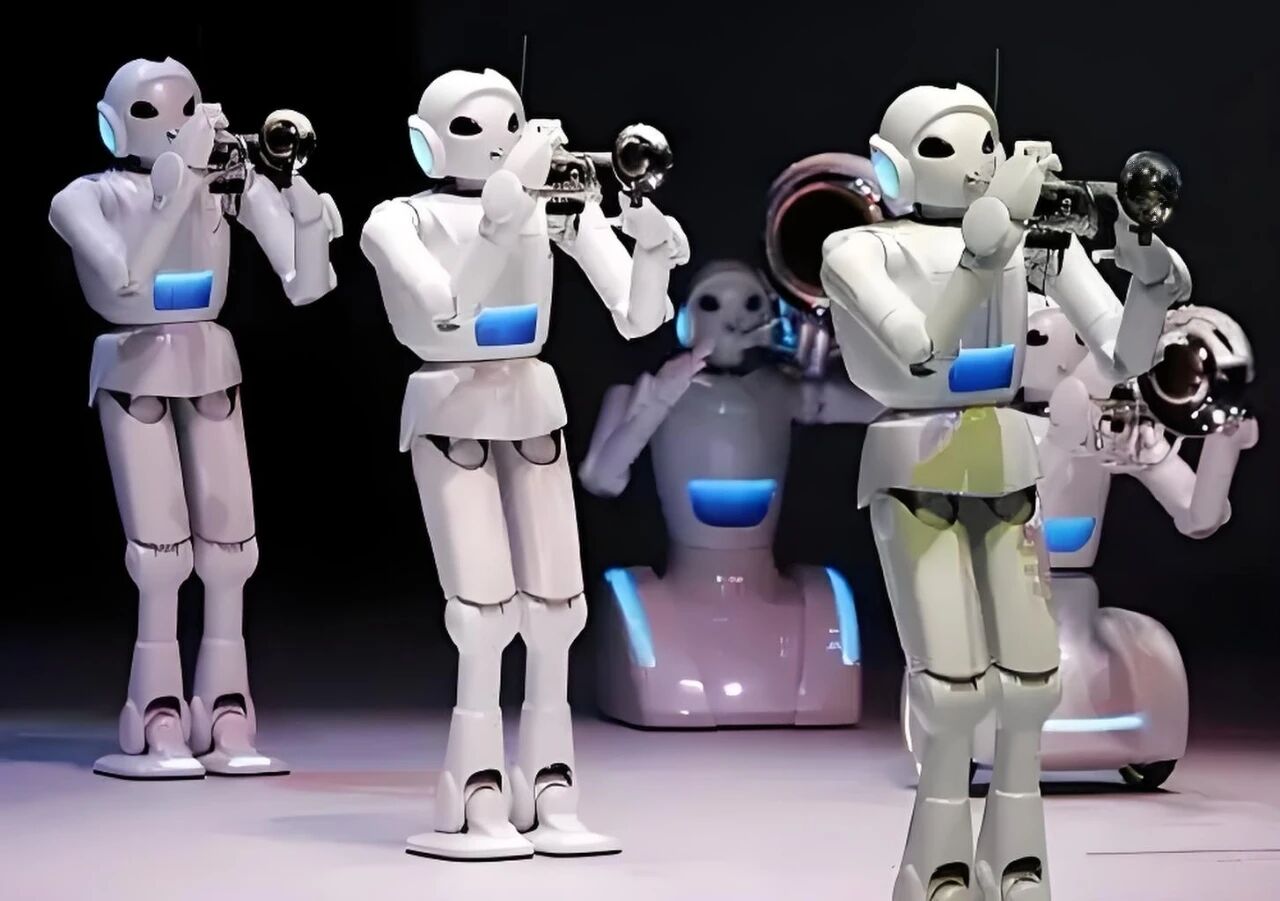
Humanoid robots are no longer experimental technologies. In 2026, they are increasingly visible in real-world environments, from shopping malls and exhibitions to large-scale entertainment productions.
What makes this shift important is not just technological progress, but practical application. Robots are moving from controlled demonstrations into commercial scenarios where performance, reliability, and audience engagement matter.
This article explores how humanoid robots are being used in events today and what these applications reveal about their commercial potential.
Large-Scale Entertainment Applications
Robots as Part of Structured Performances
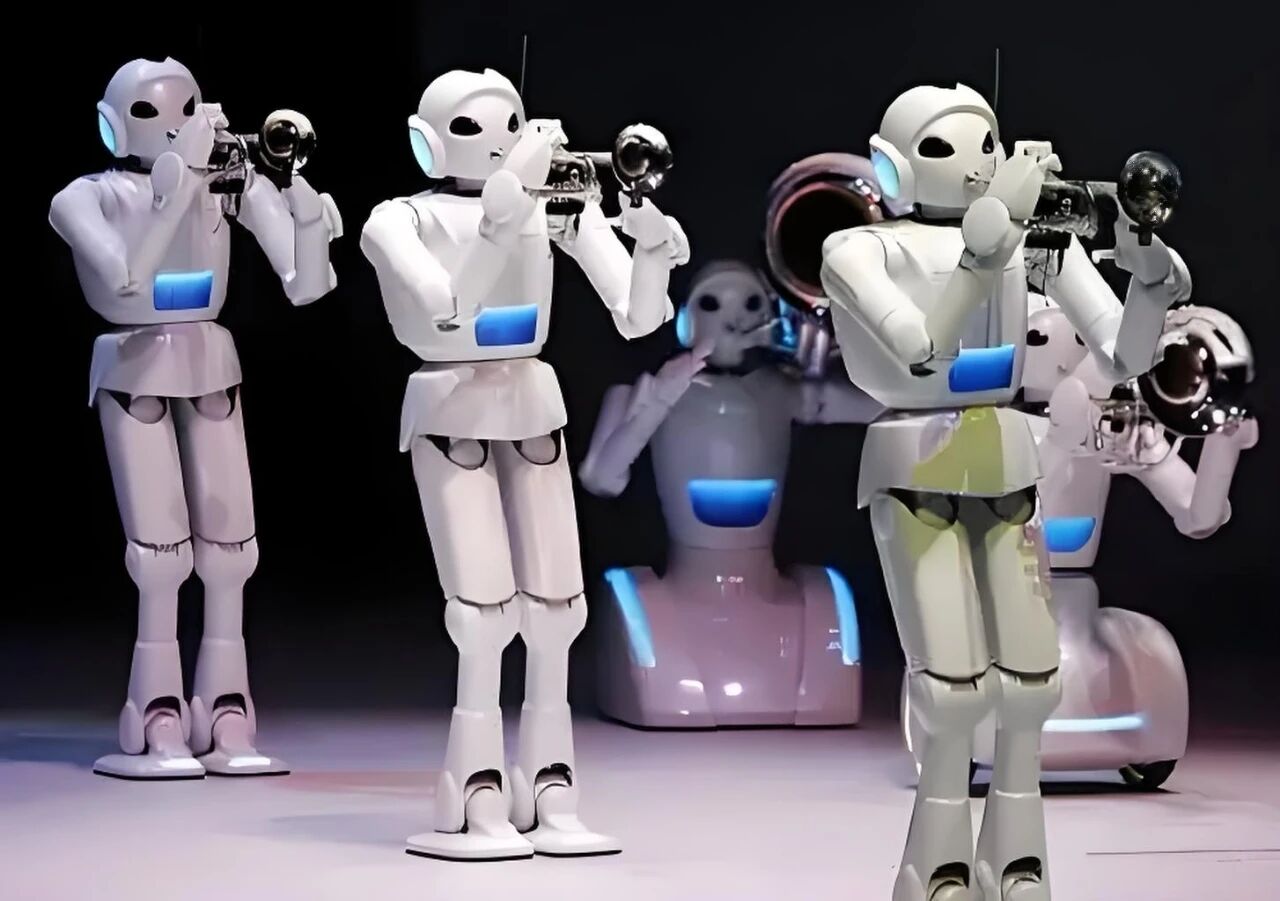
Large-scale shows represent one of the earliest successful applications of humanoid robots in events.
Instead of isolated demonstrations, robots are now integrated into full productions that include choreography, scripted interaction, and coordination with human performers. This marks a transition from technology display to content delivery.
Why This Scenario Matters
These performances validate that robots can operate within complex production systems. Timing, synchronization, and repeatability are no longer experimental—they are reliable enough for commercial use.
As a result, large-scale entertainment has become a key entry point for robot commercialization.
Broadcast Events and High-Dynamic Performance
Operating in High-Pressure Environments
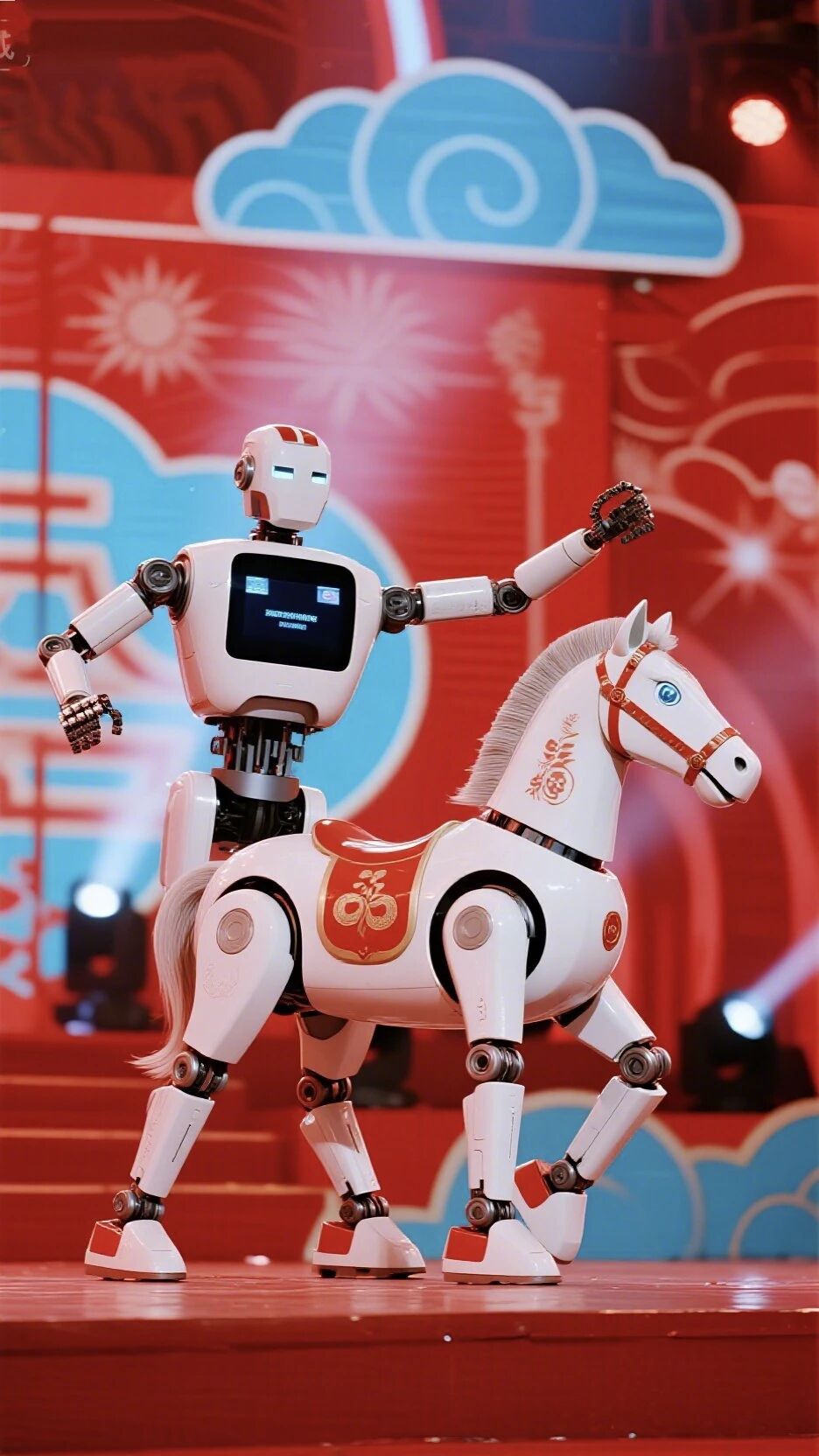
Broadcast events demand a higher level of performance. Robots must execute precise movements under strict timing while maintaining stability in live environments.
Recent deployments show that humanoid robots can handle synchronized routines and high-difficulty movements, even when interacting with human performers.
Commercial Impact of Visibility
Exposure through widely viewed events significantly accelerates adoption. When robots perform reliably at scale, they gain credibility with brands and event organizers.
This visibility directly translates into increased commercial demand.
Shopping Malls and Public Space Deployments
A Repeatable Commercial Scenario
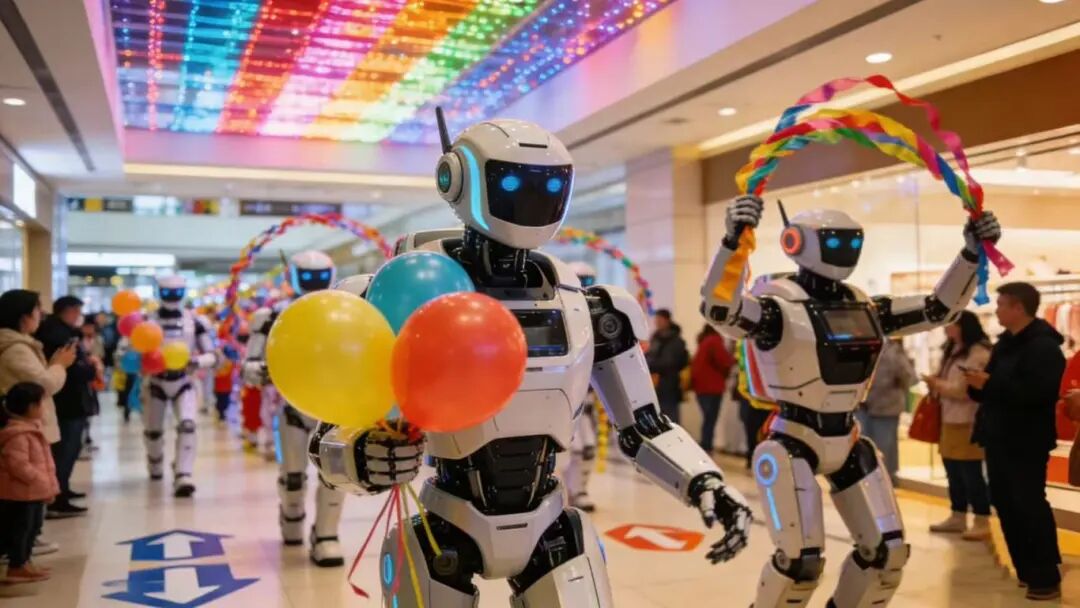
Shopping malls and public venues represent the most scalable use case for humanoid robots.
In these environments, robots perform short routines designed to attract attention and increase foot traffic. Unlike one-time shows, these deployments can be repeated across locations and time periods.
Why It Works
The effectiveness comes from a combination of novelty and consistency. Robots can deliver the same performance multiple times a day without fatigue, making them suitable for high-frequency commercial use.
This is the first scenario where humanoid robots demonstrate clear, repeatable monetization potential.
Integration of Service and Interaction
Beyond Pure Entertainment
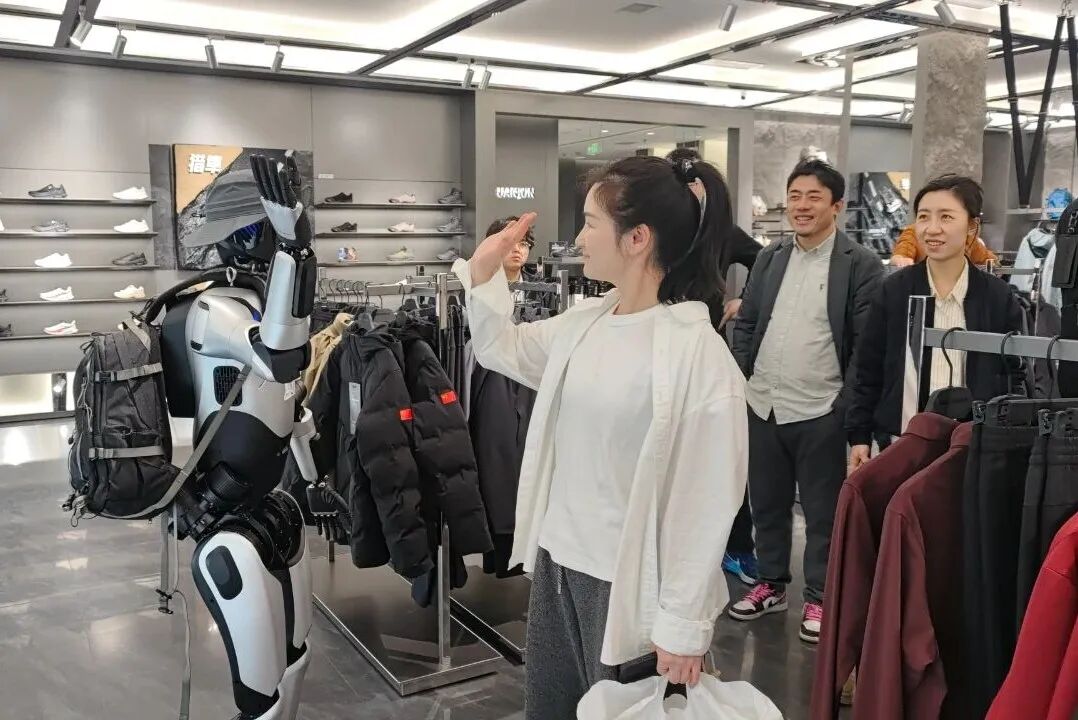
A growing trend is the combination of performance with functional roles.
In addition to attracting attention, robots are used to guide visitors, assist with simple tasks, or provide basic interaction. This extends their role within the event environment.
Expanding Business Value
By combining service and performance, robots contribute to both customer experience and operational efficiency. This dual role increases their overall value for businesses.
Narrative and Emotional Engagement
Robots as Part of Storytelling

As interaction capabilities improve, robots are increasingly used in narrative-driven scenarios.
They can deliver scripted dialogue, respond to audience input, and act as characters within a themed experience. This adds depth to events that rely on storytelling and brand identity.
From Attraction to Experience
In this context, robots are no longer just visual attractions. They become part of a designed experience that connects with audiences on a more emotional level.
Key Insights from Current Use Cases
Across different environments, several patterns emerge.
First, humanoid robots are most effective when integrated into the overall structure of an event rather than used as standalone features.
Second, their value increases when they serve a clear purpose, whether that is attracting attention, guiding visitors, or enhancing storytelling.
Finally, successful deployments focus on creating memorable moments instead of simply showcasing technology.
What This Means for Businesses
For companies considering robot deployment, the implication is clear.
The success of humanoid robots depends less on the hardware itself and more on how it is used within a designed experience. Strategic integration, rather than technical novelty, determines the outcome.
What’s Next
As adoption continues to grow, businesses will move from experimentation to optimization. The next step is understanding how to structure pricing, control costs, and build a sustainable business model around robot deployment.
In the next article, we break down the economics behind humanoid robot rentals, including pricing structures, ROI, and scalable business strategies.
Deploy Humanoid Robots for Your Next Event
Xyser Robotics provides end-to-end solutions for commercial robot deployment, from concept design to on-site execution.
Whether for brand activations, exhibitions, or large-scale events, our team helps deliver stable, high-impact robot experiences tailored to your scenario.
Contact us to explore how humanoid robots can be integrated into your next project.


