
The Fourth Industrial Revolution Is No Longer Coming — It Has Already Started
Figure and UBTECH Just Showed Us What Comes Next
2026 may be remembered as the year humanoid robots moved from laboratory demonstrations to real-world deployment.
Within weeks, two major breakthroughs captured global attention.
First, U.S. robotics company Figure AI livestreamed its humanoid robot operating inside a logistics warehouse for more than 80 consecutive hours. The robot sorted over 100,000 parcels without human intervention, maintaining a pace of roughly one package every three seconds. What started as an eight-hour demonstration evolved into one of the longest autonomous humanoid robot operations ever publicly documented.
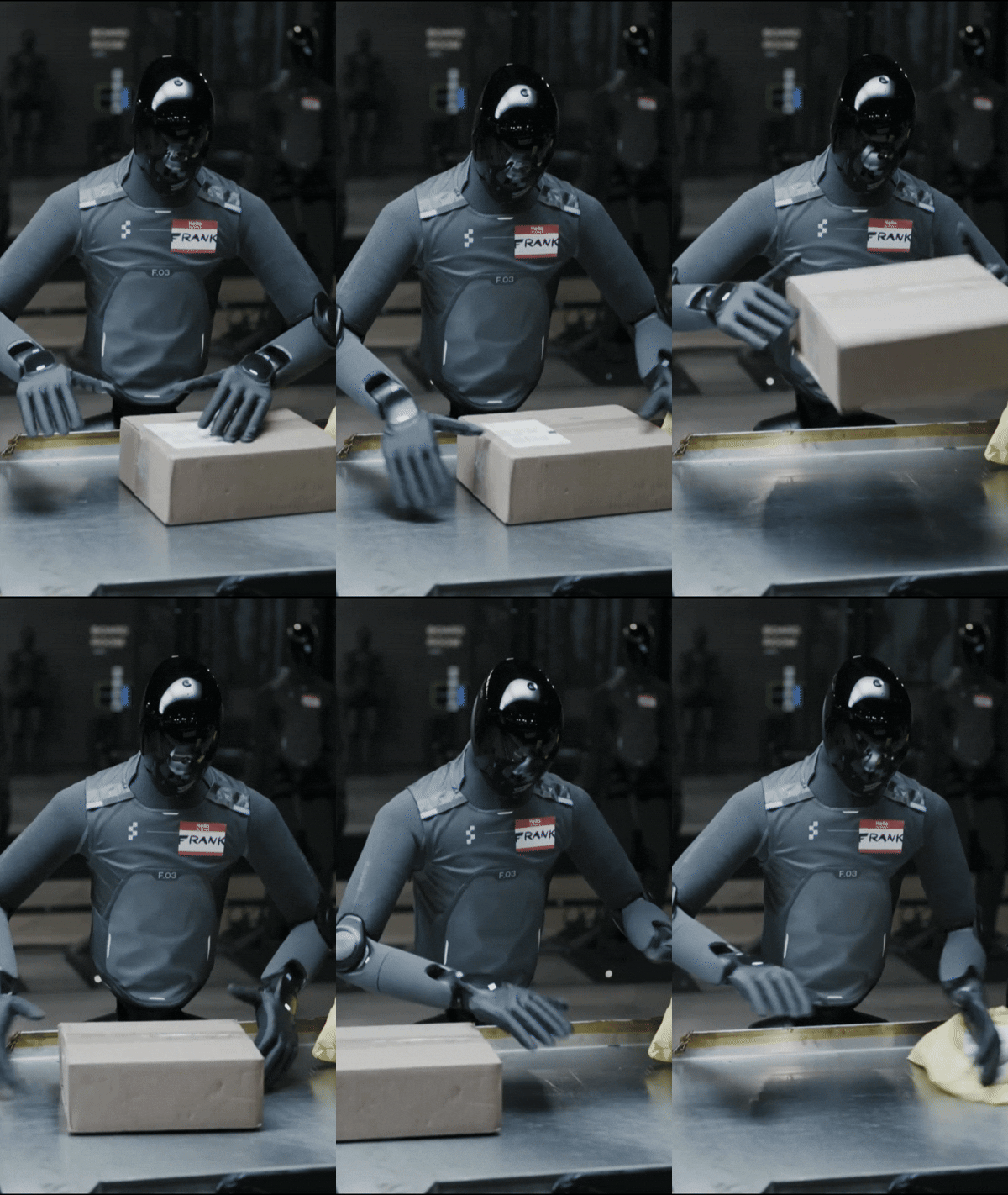
Then, Chinese robotics leader UBTECH announced pre-sales of what it describes as the world's first full-size hyper-bionic consumer humanoid robot through its newly launched consumer brand UWORLD. Standing up to 183 cm tall and equipped with 88 degrees of freedom, the robot is designed for companionship and future home-service applications.

For years, robotics companies promised a future where intelligent machines could work alongside humans.
Now, that future appears to be arriving faster than many expected.
The Age of AI Is Becoming the Age of Physical AI
Over the past three years, generative AI transformed digital work.
Large language models began writing code, generating content, analyzing data, and assisting decision-making.
Now the next phase has begun:
AI is gaining a physical body.
Industry analysts increasingly refer to this shift as the rise of "Physical AI"—artificial intelligence embedded inside robots capable of interacting with the real world. Major technology companies including Nvidia, Tesla, OpenAI, Meta, Figure AI, and numerous robotics startups are investing billions into humanoid robot development.
The question is no longer whether robots can walk.
The question is whether robots can work.
Figure's logistics demonstration suggests the answer is rapidly becoming yes.
Why This Matters More Than Tech Layoffs
Recent headlines have focused on technology-sector layoffs.
Software engineers, customer support teams, administrative roles, and other knowledge workers are increasingly encountering AI-powered automation.
But the bigger story may be what happens when AI moves beyond the computer screen.
Historically:
- AI automated information processing.
- Industrial robots automated factory production.
- Humanoid robots may automate general physical labor.
For the first time, one technology stack is beginning to impact both digital work and physical work simultaneously.
This is what makes the Fourth Industrial Revolution fundamentally different from previous technological shifts.
From Warehouses to Hotels, Restaurants, and Hospitals
The logistics sector is likely only the beginning.
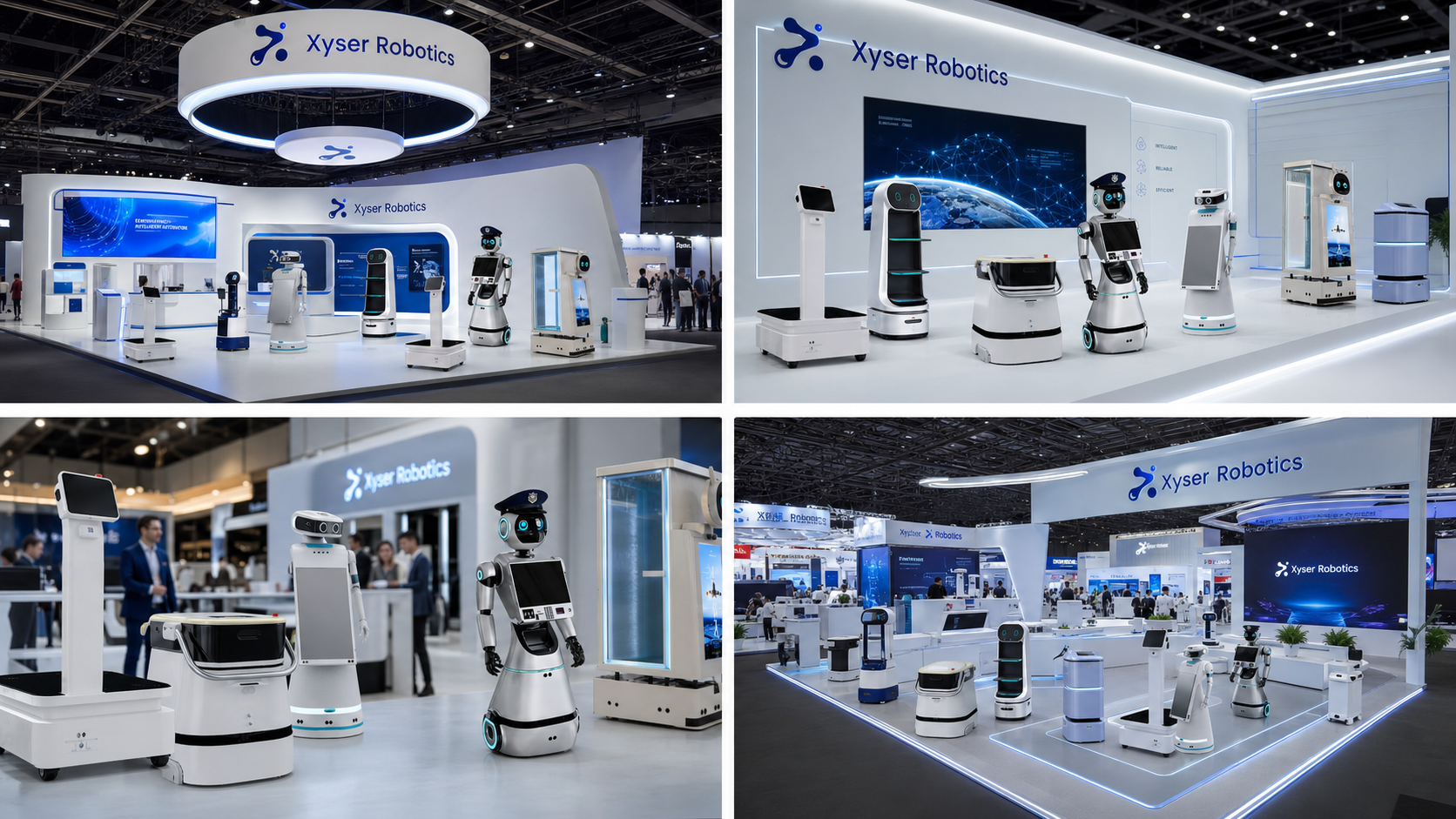
Many of the same technologies powering humanoid robots are already appearing in commercial service robots operating today.
Across the world, autonomous robots are increasingly being used for:
- Food delivery
- Hotel room service
- Hospital transportation
- Floor cleaning
- Security patrols
- Warehouse logistics
- Retail assistance
The economic drivers are clear:
- Labor shortages
- Rising wages
- Aging populations
- Demand for 24/7 operations
- Pressure to improve efficiency
For businesses, automation is quickly becoming a competitive necessity rather than an experimental project.
Three Types of Workers in the Future Economy
A provocative statement circulating within the robotics industry says:
The future workforce may consist of humans, AI, and robots.
While the phrase is intentionally dramatic, it reflects an important reality.
AI is increasingly performing cognitive tasks.
Robots are increasingly performing physical tasks.
Humans will increasingly focus on creativity, leadership, emotional intelligence, strategy, and complex problem-solving.
The companies that thrive in the next decade may not be those with the largest workforce.
They may be those with the best human-AI-robot collaboration systems.
The Real Beginning of the Fourth Industrial Revolution
Looking back, future historians may not point to a single AI model or robot launch as the start of the Fourth Industrial Revolution.
Instead, they may point to a series of milestones:
- AI writing software code
- Figure robots sorting 100,000+ parcels autonomously
- Consumer humanoid robots entering the market
- Businesses deploying robots at scale
Each milestone signals the same trend:
Machines are no longer just tools.
They are becoming workers.
And for the first time in history, that transformation is happening simultaneously across both digital and physical industries.